





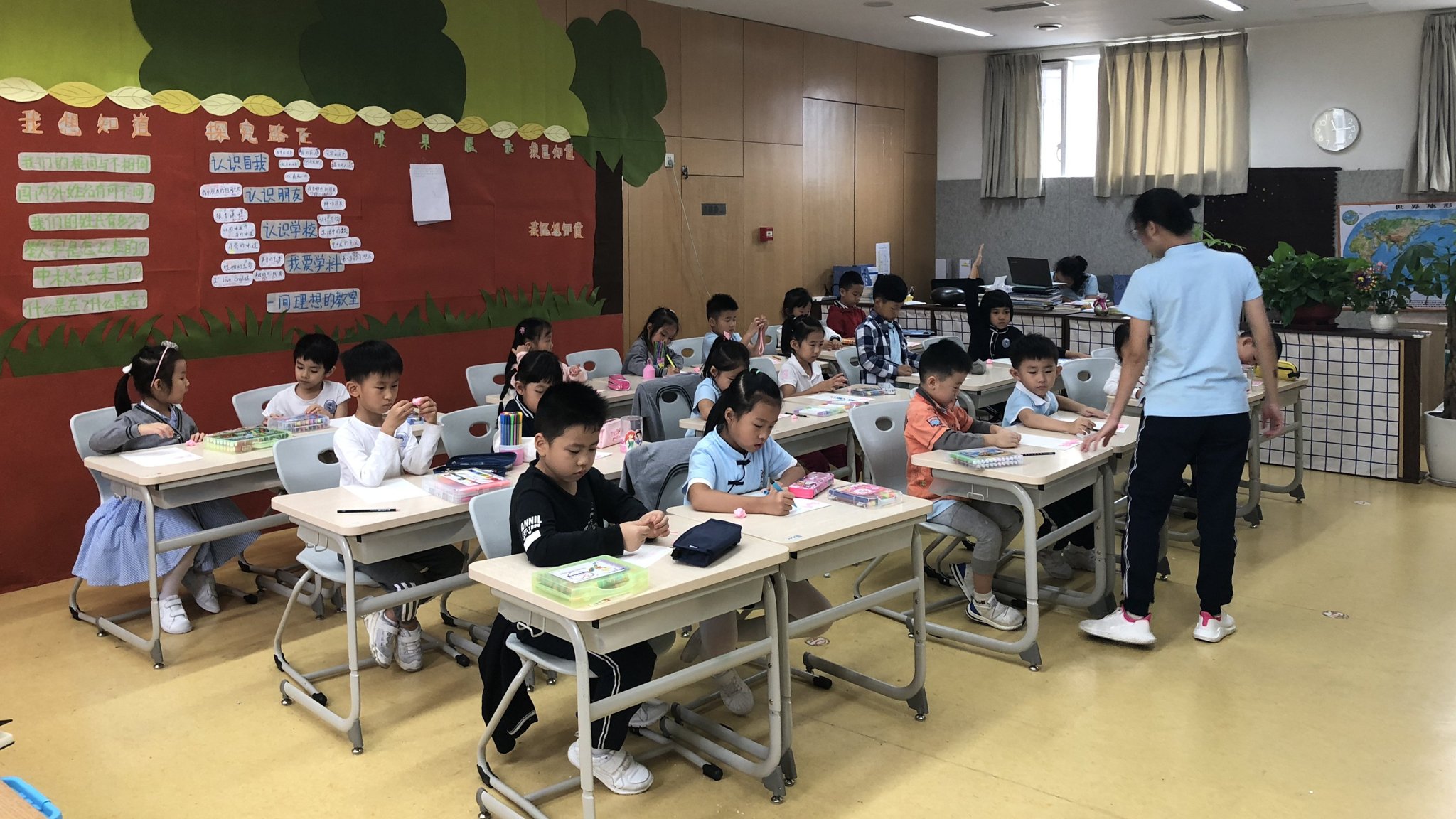
For centuries, Confucianism has profoundly shaped the culture and educational systems of East Asian countries, particularly China. It has influenced the key foundational components of the Chinese educational system, such as curriculum, teaching methods, values, and beliefs. The impact of Confucianism has been so strong that it is still often considered a defining force in the Chinese society and education system.
What Is Confucianism?
Confucianism is a Chinese philosophical system founded by the influential Chinese scholar and teacher, Confucius. Born in 551 BCE, Confucius established a code of moral guidelines, known as the “Analects of Confucius”, which would help individuals build up their relationships and unite. He encouraged individuals to practice according to the principles of “Ren” (humaneness) and “Li” (ritual observance).
Confucius’s teachings strongly influenced Chinese culture and were adopted by the ruling classes of China for more than two thousand years. His philosophy became the foundation for Chinese cultural values, such as respect for elders, filial piety, and education. Even today, Confucianism is still present in Chinese society, evident in the way people think and act.
The Impact of Confucianism on China’s Education System
Confucian values have had a strong influence on the system of education in China, creating a structure with unique social and educational aspects. Here, we would look at how Confucianism has shaped the aspects of China’s educational system, such as curriculum, teaching methods, values, and beliefs.
Curriculum
Confucianism has had an immense influence on the nature and content of the Chinese curriculum. In ancient times, the main focus of education was on Confucian literature, philosophy, and the study of Chinese classics. Writing and memorization were heavily emphasized, as a means to help students to understand the principles of Confucianism and to improve their knowledge of the Chinese language.
Confucian philosophy also played an important role in the selection of subject matter – with only certain subjects being deemed “worthy” to be studied and taught. For example, students would learn about literature, morals and ethics, correct behavior and etiquette, and the five classics. The curriculum offered in China today still reflects the legacy of Confucius and his teachings.
Teaching Methods
Confucianism has had a major impact on the way information is taught and the type of teaching methods used in classrooms. Students must learn to think independently, relying on their own intuition. As a result, teachers often act as mentors and facilitators rather than simply delivering information.
The approach to teaching encourages students to learn through discussion and debate guided by their teachers. For example, classroom discussions should be based around the five classics – a set of canonical Chinese texts based on Confucius’s teachings. As a result, it is seen as more important to raise moral questions and discuss ethical values rather than simply focusing on secular subjects.
Values and Beliefs
Confucianism has also played an important role in shaping the values and beliefs of students and teachers in China. Students are expected to be honest and ethical and to show respect for their teachers and elders. Interpersonal relationships are of paramount importance, and students must demonstrate proper behavior in both their actions and words.
Confucian teachings also emphasize the importance of hard work and striving for perfection. This has been a major motivating factor in many teachers’ work and has created an environment in which students are constantly encouraged to work hard.
Confucianism has had a profound and lasting effect on the Chinese educational system. Its influence can be seen in the way the curriculum is structured, the teaching methods used, and the values and beliefs emphasised. Confucius’s teachings remain an important part of Chinese culture and are still seen as having a major impact on the Chinese society. However, it is clear that Confucianism is still very much alive and is likely to stay with Chinese education for many years to come.


