




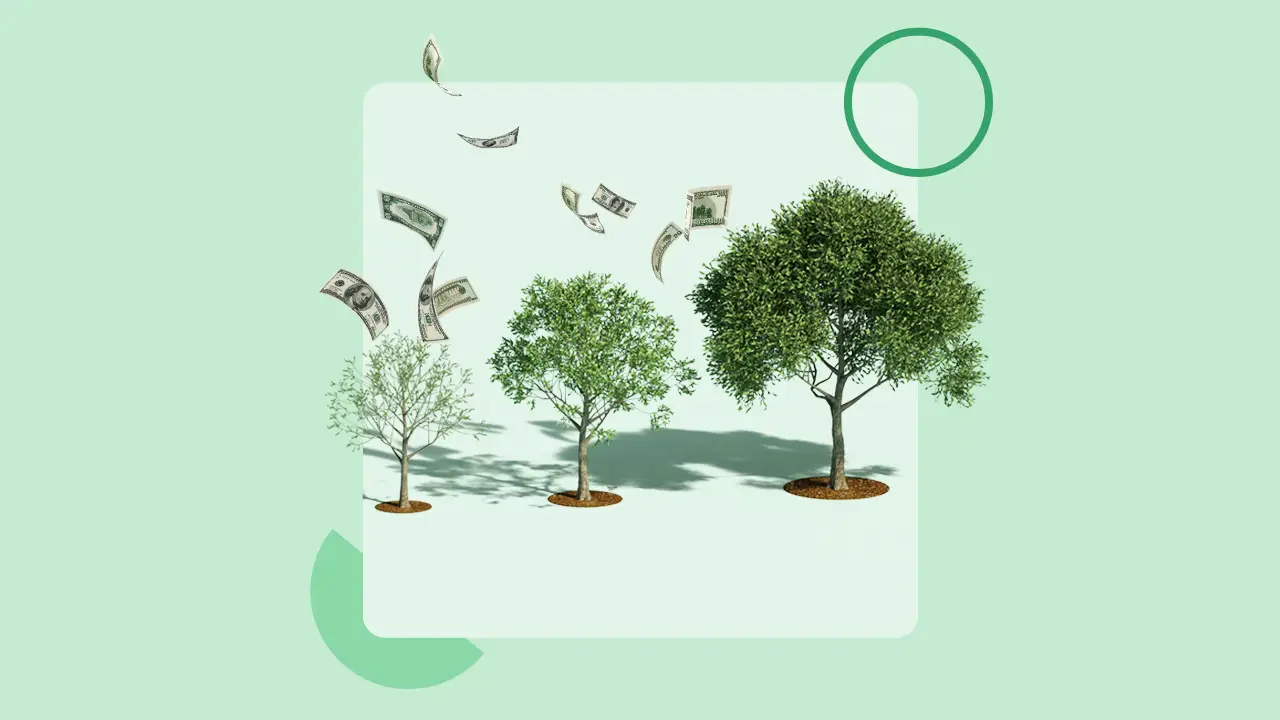
Saving money is essential for a secure financial future. Despite this, many of us don’t know how much money is the right amount to have saved. The question “How much should I have in savings?” is something we all should think about. Knowing how much to save is the first step towards creating a secure financial future.
Understanding Your Financial Goals
The best way to understand how much to save is to start by considering your financial goals. What are your short-term and long-term financial goals? Do you plan on buying a car in the summer, taking a vacation next year, or buying a house in five years? Knowing your goals will help you understand where savings comes into play.
Short-term Goals
Short-term goals refer to financial goals you have in the next few months. It could be paying off a holiday spending spree, a new couch for the living room, or just setting aside extra money for next month’s rent. Think about any big expenses you may need to cover in the near future and set aside money for them in a savings account so you have it when you need it.
Long-term Goals
Long-term goals refer to larger expenses or goals down the road. It could mean saving for a house, retirement, or another big purchase. Consider how much money you’ll need to cover these expenses, then create a budget that increases the amount of money you’ve saved towards these goals.
Savings Accounts
Having the right savings account is essential for setting aside money. The right savings account will help you meet your financial goals. Consider what kind of account you’ll need for long-term and short-term goals. Here are some factors to consider when looking for a savings account:
Interest Rates
Interest rates should always be taken into consideration when looking for a savings account. Higher interest rates mean more money in your savings account over time.
Minimum Balance
Many savings accounts require a minimum balance to be kept in the account in order to avoid a monthly fee. Be sure to take the minimum balance into account when looking for a savings account.
Fees
Be mindful of any fees associated with the savings account. Many savings account require small ongoing fees or account closing fees. Knowing what the fees are before signing up for the account will save you money in the long run.
Building an Emergency Fund
Setting aside money for an emergency fund is key to your financial success. Having money in an emergency fund will help you cover unexpected expenses that come up throughout the year. It can also help you out of a financial bind if you find yourself without a job or facing financial hardship. A general rule of thumb for an emergency fund is to have enough saved for three to six months of expenses.
Maximizing Retirement Savings
Saving for retirement should be a priority for everyone. Saving for retirement early in life can pay off in the long run. It is especially important to maximize contributions to employer sponsored retirement plans such as 401(k)s and IRAs. Contribution limits for these plans can vary, so be sure to check the rules for each plan and maximize contributions where you can.
Managing Debt
When trying to save money, it is also important to manage debt. Paying down debt should be a priority when trying to save money. Any extra money you have should be used to pay down debt, not just sitting in a savings account. There are various strategies to paying down debt, such as the debt avalanche method or the snowball method.
The amount of money you should be saving depends on what your goals are and where you are in your financial journey. Start by understanding your short-term and long-term goals and create a budget to save for these goals. Maxing out contributions for a 401(k) or IRA and setting aside money for an emergency fund are also essential steps to secure your financial future. Finally, paying down debt should be taken into consideration when thinking about how much to save. Knowing how much to save is the first step towards a secure financial future.