





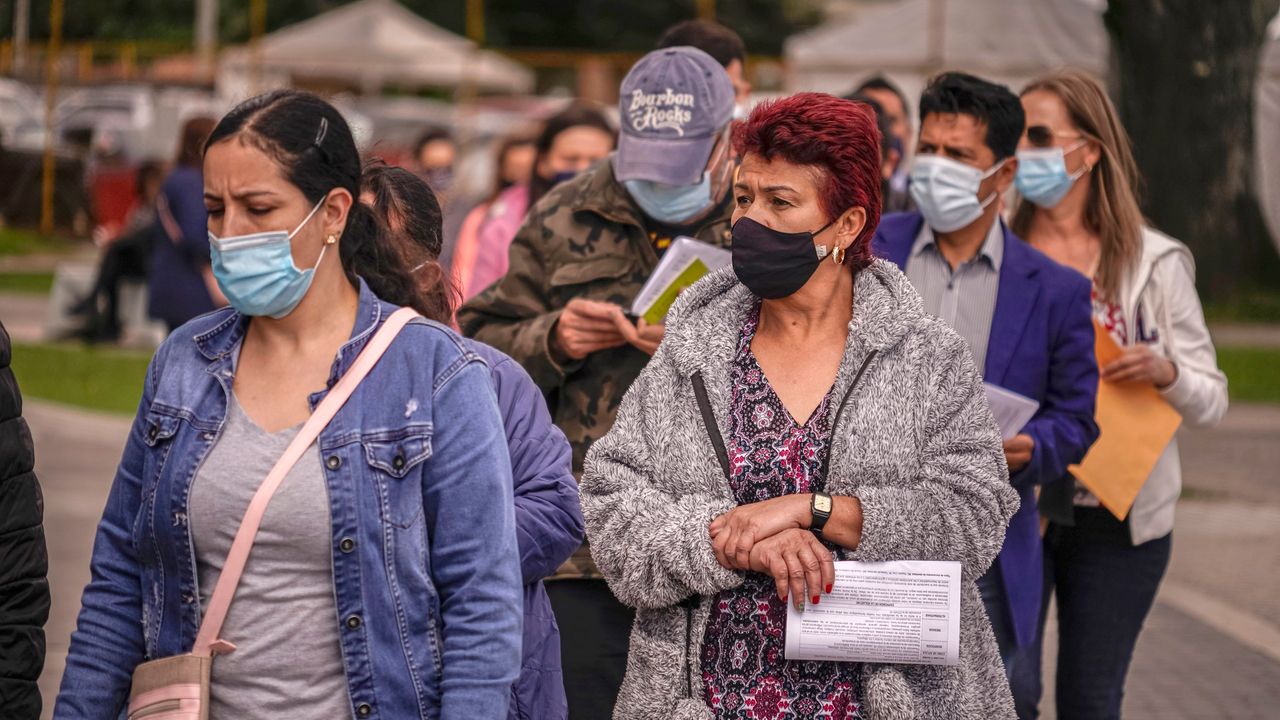
The coronavirus pandemic has sent shockwaves throughout the world, impacting individuals, businesses, and economies. But, while some countries have been able to weather this storm and recover, many are still bearing the brunt of the virus’ effects. As of 2021, South America has become one of the world’s leading epicenters of the pandemic. In countries like Brazil, Bolivia and Ecuador, the current rate and spread of Covid-19 is worrying.
This article examines the growing pandemic and the challenges that South American countries are facing. We will look at how the virus is impacting the population and how countries are responding, what’s being done to contain the spread, the lack of vaccine progress, and the overall outlook for the region.
Understanding the Current Reality
The pandemic has been a unique challenge; each country has had to find a way to address it while tackling their own unique circumstances and obstacles. In South America, the reality is becoming increasingly dire. In a matter of weeks, the number of new Covid-19 cases has grown exponentially. In fact, a recent report states that 1 in 13 people in South America currently have COVID-19. The real toll of COVID-19 in South America is still unfolding, with increasing numbers of deaths, new cases, and the potential for the virus to spread further.
The Impact on People
The virus has impacted the population in various ways. Unemployment has soared, with at least 37 million people in the region likely to become unemployed in 2021 . This has had a tremendous impact on the population, especially those from lower-income households. In addition, there are fewer resources available for families in need of food and essentials.
The governments of the affected countries have implemented various measures in order to reduce the spread of the virus. These include shutting down non-essential businesses, travel restrictions, wearing masks in public, and enforcing social distancing. In some countries, such as Ecuador, they have also implemented a state of emergency curfew, which limits people’s mobility after certain hours.
The Lack of Vaccine Progress
In order to ease the burden of the virus, there must be sufficient vaccine supply to cover the population at risk. Unfortunately, South American countries have been left behind in the global vaccine rollout. This is largely due to a lack of resources and infrastructure. Additionally, a shortage of qualified personnel to administer the vaccines has also slowed down the process.
In some cases, the countries have made deals to acquire vaccines directly, such as Brazil and Chile. In other cases, the countries have also applied for World Health Organization’s COVAX Fund, which can provide vaccines to countries regardless of their economic status.
The Overall Outlook
The outlook for South America is concerning, but there is hope for the region. Public health experts believe that the spread of the virus can be contained if countries are able to implement the necessary measures to prevent it from further taking hold. Furthermore, the global vaccine efforts and the continued commitment by South American countries to prioritize vaccine access for the most vulnerable populations offers the promise of a better future.
The Covid-19 pandemic has highlighted existing health, economic, and social disparities around the world, and nowhere is this more apparent than in South America. The virus has taken an especially heavy toll on vulnerable and low-income individuals and families in the region, further exacerbating inequality.
That said, there is still hope for the region. With continued commitment from the public and private sectors to invest in vaccine access and the implementation of proper safety and health protocols, South America’s residents have the potential to successfully navigate these tough times and build a better, stronger future.


