




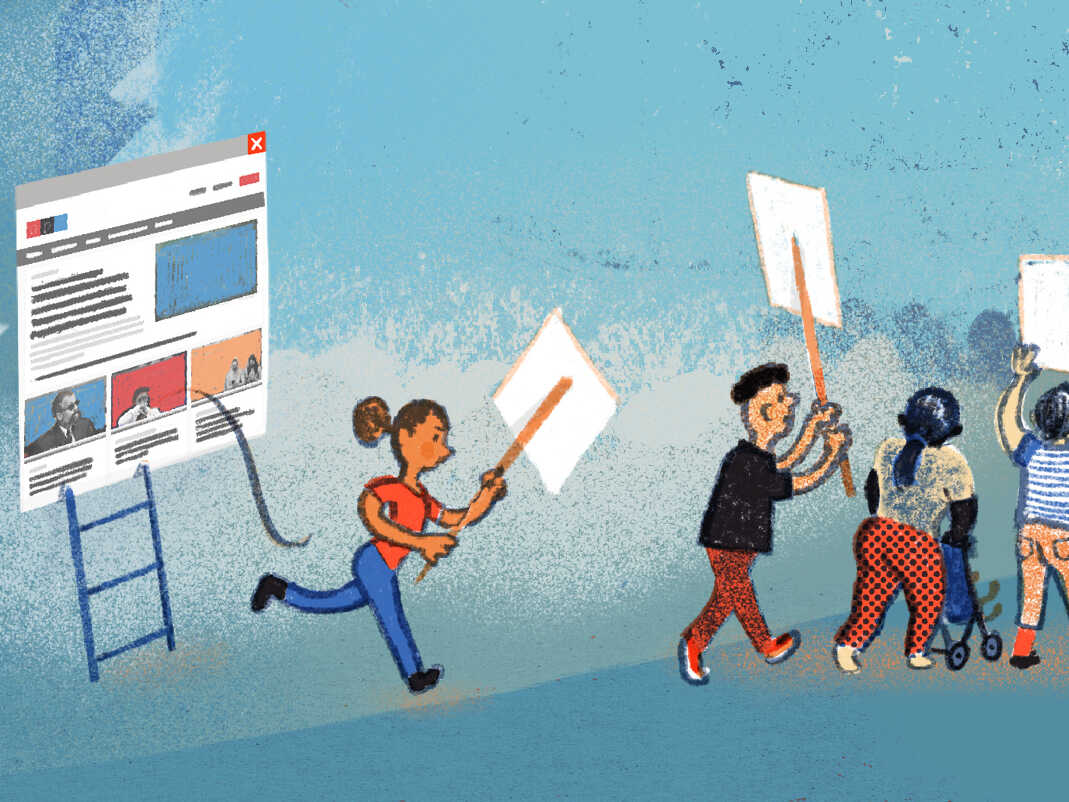
As the media is the main source of information for the general public, it can have a major influence on opinions and decision-making. Journalism is a powerful source of education for citizens and has a responsibility to be both ethical and accurate. This article will discuss the ethics of journalism and political communication in today’s world.
What is Journalism?
Journalism is the activity of collecting, verifying, and disseminating news and other information through various media including newspapers, magazines, radio, television, and the internet. It is also the practice of investigating and reporting events, analyzing issues and ideas, and interpreting news for the public.
What is Political Communication?
Political communication is the use of media and other sources of information to influence the public’s opinion of a candidate, political party, policy, or issue. It is a tool used to build relationships with constituents, shape policy decisions, and grow a constituency’s awareness of a candidate’s political platform.
The Role of Ethics in Journalism and Political Communication
Journalism and political communication both rely on ethical standards to provide an accurate and truthful representation of events and ideas to their audiences. Ethical journalism is essential to the free flow of ideas and opinions; it is essential for maintaining the public’s trust and confidence in the media and for providing a platform for citizens to engage in public debate. Ethical standards in political communication are designed to ensure candidates are honest and accountable in their representation of the facts, while avoiding any form of deception or unfair manipulation of their message.
The Press Complaints Commission (PCC)
In the United Kingdom, the Press Complaints Commission (PCC) is an independent organization created in 1991 to uphold the high standards set out by the Editors’ Code of Practice. It is the duty of the PCC to ensure that publications are in compliance with the code, and to investigate any allegations of breaches.
The Editors’ Code of Practice
The code is designed to protect members of the public from inaccurate, offensive or invasive reporting. Among other rights, it protects press freedom, private life, accuracy, fairness and respect for children.
International Principles in Journalism and Political Communication
The International Federation of Journalists (IFJ) established the International Principles of Journalism in 1997. These are ethical guidelines for media professionals and include principles such as truth and accuracy, independence, impartiality and fairness, humanity, accountability and transparency. Additionally, UNESCO’s International Declaration of Principles on Freedom of Expression has been developed to protect the right to freedom of opinion and expression.
Ethical Journalism Guidelines
The UK National Union of Journalists (NUJ) has established a code of ethics as a set of guidelines for journalists to adhere to. These guidelines require journalists to: be honest and fair; to respect privacy and preserve confidentiality; to collect only accurate and lawful material; to maintain accuracy; to keep themselves and their sources out of danger; to respect copyright; to report without prejudice and anxiety; and to bear public responsibility for the accuracy of their reports.
Ethical Principles for Political Communication
The American Political Science Association’s Principles for Political Communication (APSA) are designed to foster trust and improve the accuracy of political communication and are a reference for ethical considerations in political communications. They include: informing and educating citizens about political decision-making; involving citizens in the policymaking process; upholding the foundations of democracy; speaking to diverse constituents in diverse ways; and avoiding deceptive practices.
Journalism and political communication have a responsibility to abide by both ethical and legal standards to ensure an accurate and truthful representation of events and ideas to their audiences. This article has discussed ethical principles and guidelines as they apply to both journalism and political communication and has highlighted the importance of upholding these principles in order to maintain the trust of the public.