


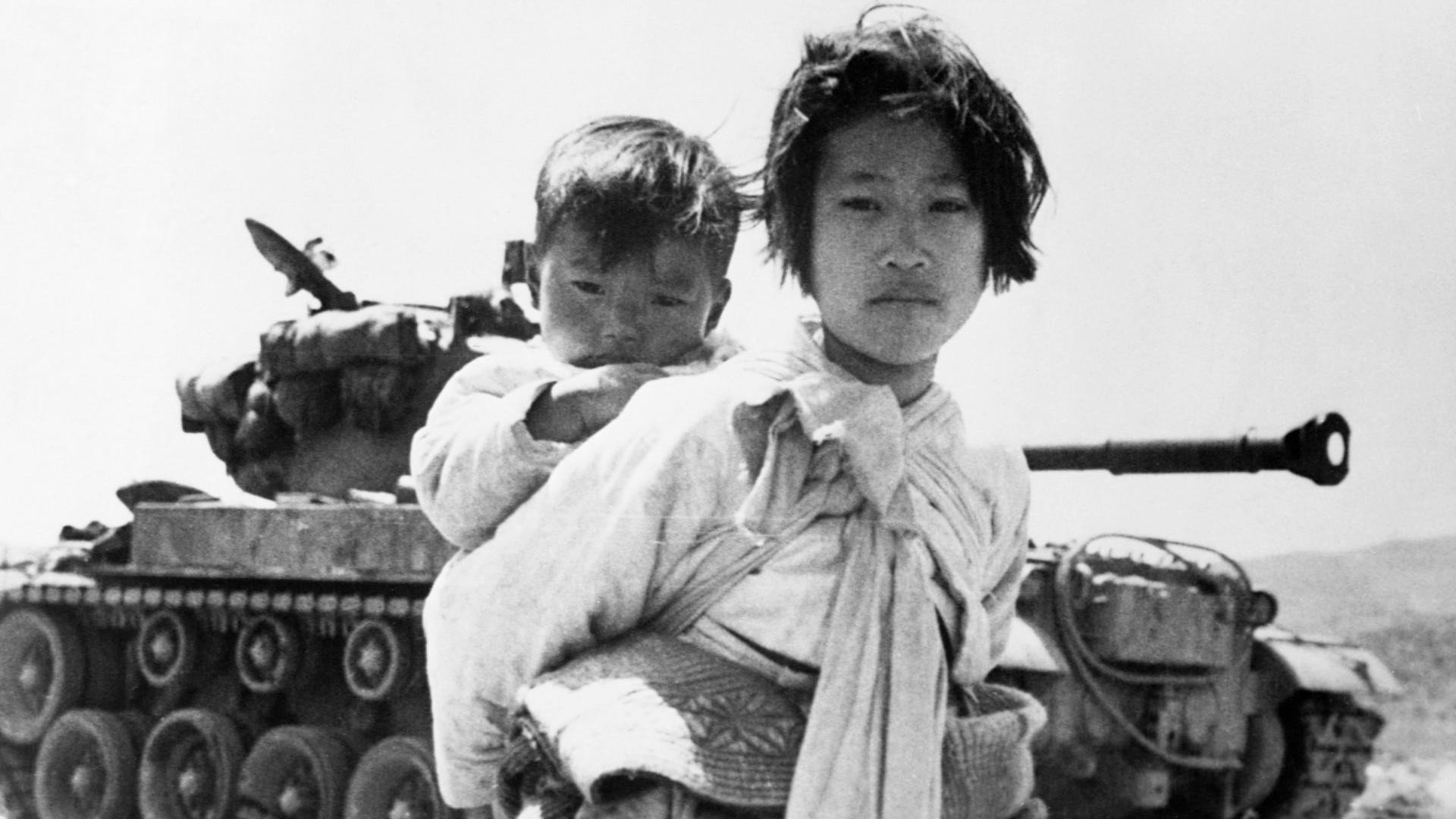
The Korean War is known as one of the most important conflicts of the 20th century, although it is often overshadowed by more well-known struggles such as World War II and the Vietnam War. It is also frequently referred to as the “Forgotten War” due to its relatively low profile. But, looking back at the war and its impacts on Korea, the United States and the wider world, it’s clear that the Korean conflict was a crucial turning point in the history of the 20th century.
What was the Korean War?
The Korean War was a military struggle that started on June 25, 1950 when North Korea, backed by the Soviet Union and China, invaded South Korea. The invasion came after months of tension, as North Korea and South Korea both sought to reunify the Korean peninsula – a process that had been ongoing since the end of World War II when Korea was divided into two zones of occupation. In response to the North Korean invasion, the United Nations, led by the United States, responded with a “police action” to prevent further aggression. Over the next three years, the war saw numerous battles and an estimated 1.2 million military casualties, not to mention civilian losses. In the end, there was a stalemate and the country was divided along the same lines as before the war.
The Impact of the War
The Korean War had long-lasting impacts on the region and the world. It was the first major conflict of the Cold War, leading to a major competition between the U.S. and the Soviet Union and China, both of which backed North Korea. The war also solidified the divide between North and South Korea, making it one of the most militarized borders in the world. The war also resulted in major economic disruption for the Korean peninsula and the wider Asia-Pacific region.
How the War Changed US Foreign Policy
The Korean War was a major turning point for US foreign policy. It marked the first major conflict of the Cold War, in which the U.S. was not only trying to contain the spread of communism, but also attempting to intervene in order to protect democratic values. The US response to the war also showed that it was willing to deploy military forces abroad for international security purposes. This marked a shift from the traditional policy of non-involvement, and set the precedent for future US military interventions around the world.
The War’s Impact on Korea
The Korean War had a devastating impact on the Korean peninsula, with an estimated two million military personnel and three million civilians killed. In South Korea, the war resulted in economic ruin and a great deal of civil unrest, as well as large-scale refugee movements. In North Korea, it led to even greater suffering, with food shortages and a great deal of poverty. The war also laid the groundwork for the highly polarized relationship between the two Koreas that continues today, with both countries remaining deeply divided and mistrustful of each other.
The Korean War was a major event in the history of the 20th century and its impacts were felt around the world. It marked the beginning of the Cold War, and brought about major changes in US foreign policy. It also led to a longstanding division between North and South Korea that continues today. In conclusion, while it is often referred to as a forgotten war, the conflict was in fact a crucial turning point in history, and one that continues to shape our world today.