



Warfare has been an integral part of the human landscape for countless millennia. Seemingly universal and timeless, yet deeply varied in its forms and contexts, war has evolved in complexity from its ancient beginnings to the modern day. This article examines the history of warfare from ancient times to modern wars, outlining its key developments and the major changes that have taken place in its design, organization, and impact.
Ancient Warfare
War was an inescapable fact of life for many ancient civilizations, and its effects could be found in almost every aspect of culture, from linguistic legacy to conceptions of political order. In its broadest sense, ancient warfare can be divided into two main phases: the pre-classical period up until 500 BC and the post-classical period, spanning 500 BC to 1000 AD.
Pre-Classical Warfare
Pre-classical warfare was largely a tribal affair. Battles were often fought between small groups of warriors, with the leaders of victorious groups typically declared the ultimate victors of the conflict. Prior to the development of proper armies, enemies would often exchange ‘single combat’ duels, the outcome which determined which side would be victorious.
The introduction of better organized forces, often in the form of city-states, meant that warfare shifted away from the more personal duel and to larger, collective engagements. Most famously, the introduction of the phalanx by the Ancient Greeks introduced a new level of sophistication to warfare, with well-ordered units able to change direction, react to enemies, and make strategic decisions based on the battlefield situation.
Post-Classical Warfare
The shift from pre-classical to post-classical warfare was marked by several advancements. The Roman empire was the most significant of these changes, introducing a more professional approach to warfare in the form of the legions. Features such as dedicated training, the use of standardized weapons and tactics, and the hierarchy of command all contributed to the success of the Roman war machine.
The post-classical period also marked the beginnings of the use of missiles, with the development of archery and the use of the catapult. This gave rise to a new class of ‘specialist’ soldiers, and eventually to the introduction of gunpowder and firearms.
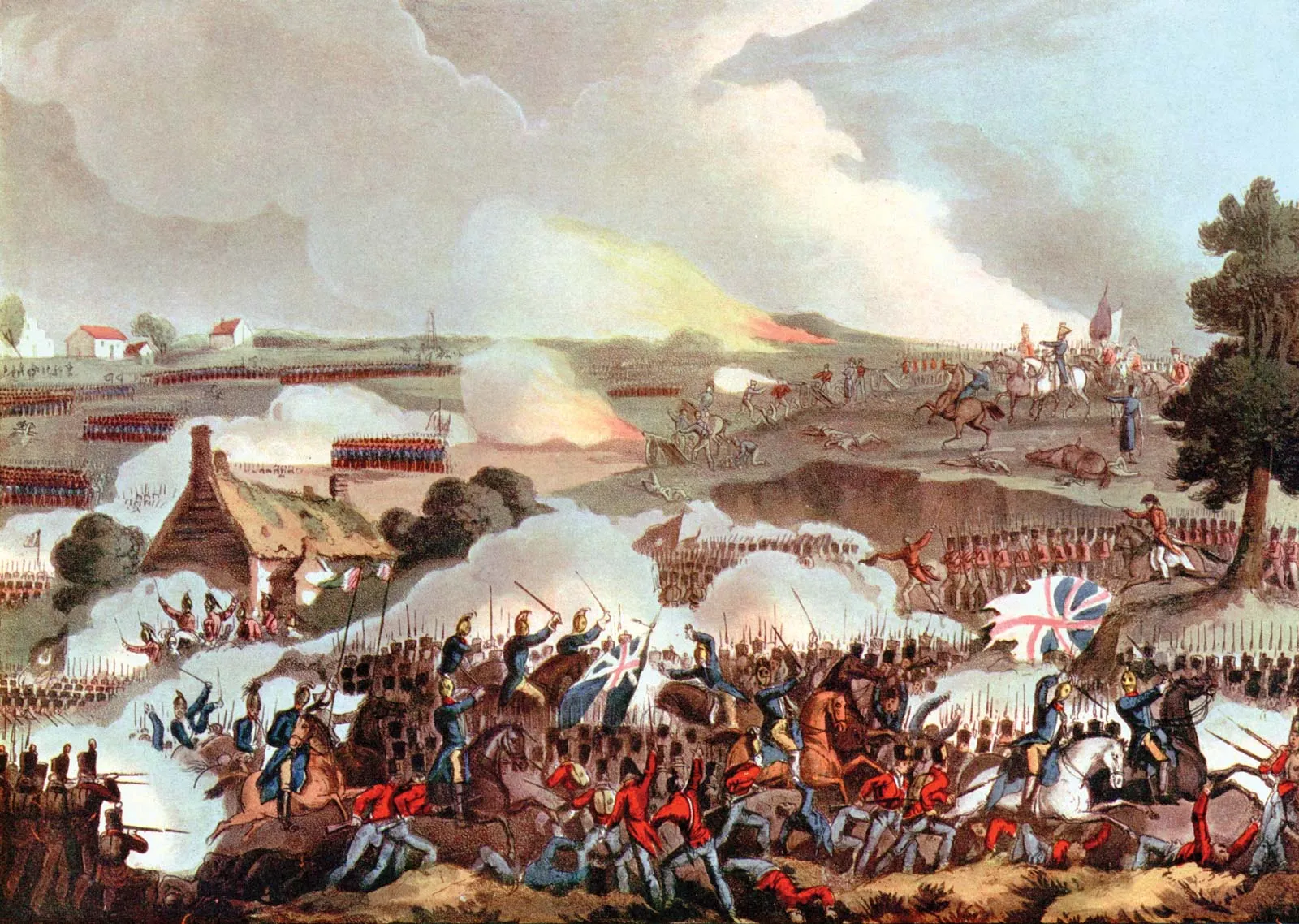
The invention of the gunpowder and its subsequent use during the Renaissance encouraged nations to develop professional standing armies and navies, complete with sophisticated tactical doctrine and in-depth operational planning. This was reflected in medieval warfare, with battles such as Agincourt, Crecy, and Waterloo providing a distinctly modern format to the art of war.
The Renaissance was also a period in which naval warfare became increasingly important, with ships being outfitted with increasingly more advanced weaponry and cutting edge technology. This development marked the beginning of modern military and naval organization, as nations sought to build an arsenal of ships capable of conducting operations far away from their shores.
Modern Warfare
The age of modern warfare began with the Industrial Revolution. The mechanization of weapons and the introduction of new technologies such as explosives, submarines, and tanks changed the face of battle forever. Additionally, the advent of mass production enabled nations to build large, sophisticated militaries that could rapidly mobilize and deploy vast numbers of troops and equipment.
The twentieth century saw the development of airpower, which proved to be a decisive factor in the two world wars. The introduction of aircraft and long-range missiles enabled nations to project their power with unprecedented accuracy and lethality. This was mirrored in the development of weaponized infantry, with militaries now able to use rapid-fire firearms, poison gas, and flamethrowers in their ranks.
The Cold War saw the development of nuclear weapons, which had an enormous and long lasting impact on the nature and conduct of warfare. With the capability to unleash destruction on an unprecedented scale, nuclear arms made the prospect of global conflict more terrifying than ever before. This period also saw a massive shift in tactics and strategy, as nations sought to outsmart each other through covert operations and guerilla warfare.
From its beginnings as a primitive ‘tribal’ practice, warfare has evolved into a sophisticated and deadly science, shaped by strategic innovation, technological advancement, and the development of professional armed forces. As warfare continues to develop and adapt, it is difficult to predict the face of conflict in the future. One thing, however, is certain; warfare has long been, and likely will always be, a part of human culture.