



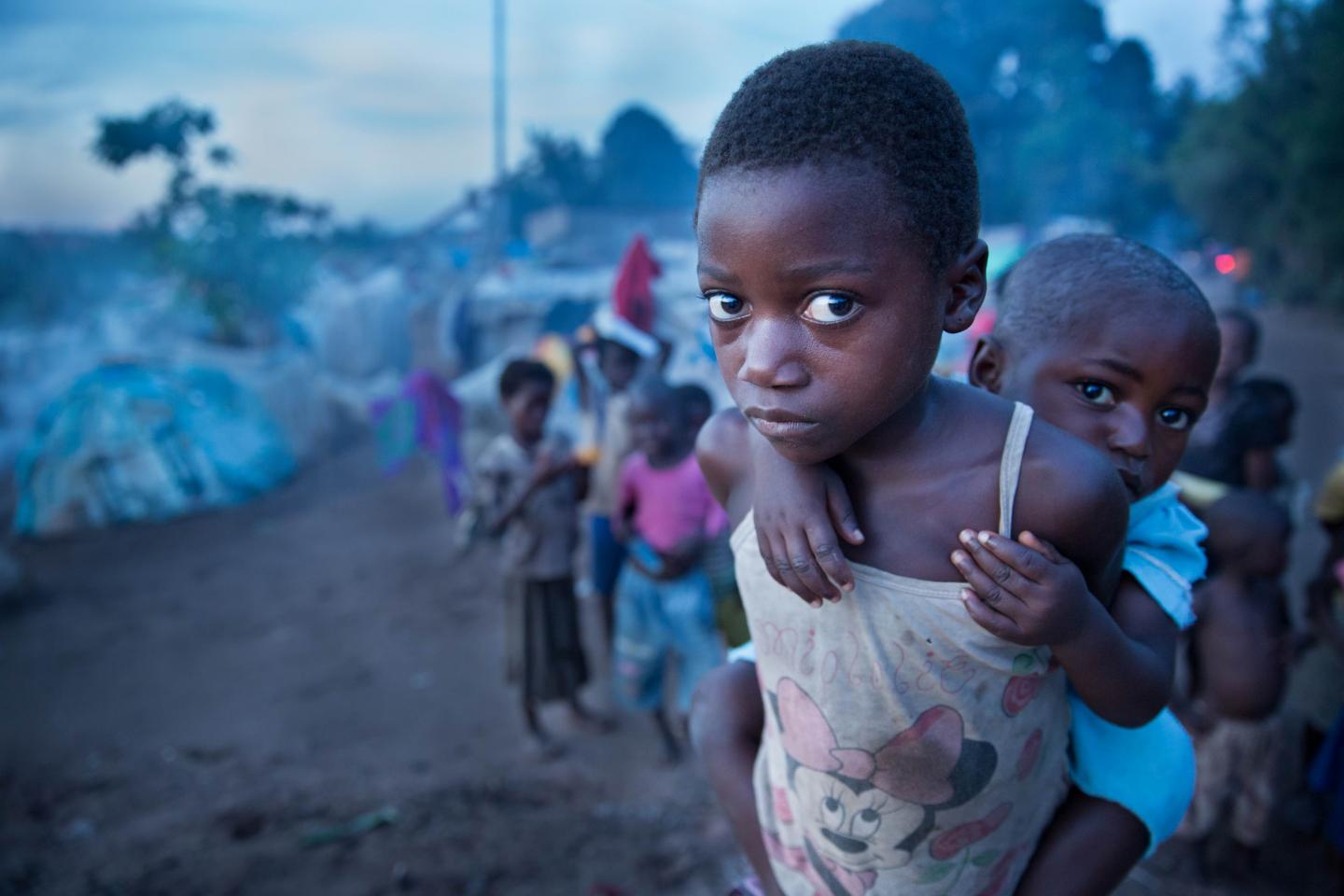
The effects of armed conflict on children have long been documented, not only in the physical toll of injury and death, but also in the psychological trauma and social deprivation. Despite the ubiquitousness of warfare, the inner lives and experiences of children tend to remain largely unseen, underrepresented and overshadowed. While war is a topic of much interest and discourse, the overwhelming volume of research focuses on adult victims and those in positions of power. As a consequence, the pervasiveness of war’s haunting effects on vulnerable children are given little attention, offering an incomplete and misguided understanding of the human cost of war.
The Impact of War on Young Minds
War’s devastating psychological effects on children cannot be overstated. Multiple studies have found that war has the power to inflict “severe distress and trauma to affected children, resulting in long-term impairments to their developmental, emotional, cognitive and social wellbeing”. Furthermore, the trauma of war can manifest in a variety of ways, including PTSD, anxiety, depression, substance abuse and sleep problems.
The psychological impact of war on a child can also have a compound effect and can last a lifetime. Trauma suffered in childhood can lead to a wide range of mental health issues ranging from suicidal thoughts to promiscuity, school refusal to low self-esteem.
In addition, the emotional and physical scars suffered in the midst of war can be long-lasting. For instance, those exposed to, or bereaved by, armed conflict are often plagued by feelings of guilt and dread, a sense of disempowerment, prolonged separation anxiety and difficulties in forming healthy relationships.
Physical Effects
The physical effects of war on children are numerous and can be extremely destructive. In most areas of armed conflict, children face a heightened risk of injury and death, whether due to direct or collateral damage. Of the estimated 400,000 child deaths caused each year by war, almost two-thirds are due to the indirect effects of conflict, such as malnutrition and disease. In addition to in-direct impacts, children run an increased risk of facing lethal maiming, permanent disability and the loss of bodily functions.
The physical ramifications of war are not limited to childhood deaths and disability. Lack of healthcare, education and housing facilities due to economic deprivation can also make children more vulnerable to health problems, increasing their risk of death in-utero or during infancy, as well as suffer from long-term physical illness and disability. Furthermore, some evidence suggests that pregnancy outcomes are worsened by armed conflict, with increased rates of stunted growth and prenatal death (or fetal death) observed in war-impacted environments.
Effects on Socio-economic Rights
War can have a disastrous effect on the socio-economic rights of those living in war zones. Displaced children, separated from the family and social networks that provide care and support, can suffer from an array of difficulties such as inadequate access to food, education, healthcare and sanitation facilities. In addition, frequently interrupted schooling can have a detrimental effect on a child’s learning potential and potential for further studies in later life. Displaced children often experience intense poverty, with families suffering from inadequate nutrition and shelter, as well as other deprivations.
Furthermore, children exposed to conflict-related violence find it difficult to reintegrate into society after the hostilities have ended. This can lead to the development of widespread mistrust, with social interaction and engagement becoming increasingly difficult for children.
The Never-Ending Impact of War
The devastating impact of war on children’s rights and wellbeing exists far beyond the physical and psychological traumas associated with warfare. The effects of conflict can linger long after the hostilities have ceased, with lasting implications on a child’s future prospects and development.
For example, children of former combatant parents can find it difficult to overcome the stigma of their familial associations, suffering from discrimination and social exclusion. Similarly, those living in former battlefields can endure the physical and mental scars battle sites leave in the aftermath of war, with long-standing poverty and psychological effects of impoverished living conditions.
In addition, children living in war-torn nations often face restricted access to social services and limited educational opportunities, leading to fewer development opportunities and potential pathways out of poverty.
Armed conflict takes an immense toll on vulnerable children, often with life-long consequences that deny them the space to thrive and the opportunity to reach their full potential. While the physical damage and the psychological trauma of war are incredibly destructive in and of themselves, their implications can underlie the oppressive regional structures and insidious state of warfare.
Although there has been a recent surge in attention towards war-impacted children, there remains a fundamental lack of understanding of the full scope of the damage they are forced to endure. The effects of war on children encapsulate a state of perpetual peril and danger, and one that must be addressed and resolved to prevent further loss of innocent lives.