



The Great Wars, which are still remembered today in the world’s history, refer to World War I and World War II. These two catastrophic global events have shaped our world’s history in unprecedented ways. It is important to consider both World War I and World War II in perspective as they are two parts of the same larger conflict which had a great worldwide impact for a considerable period of time.
World War I
World War I (WWI) is considered to be the first truly global war in history. It was fought from 1914 – 1918, and included a total of 32 nations. The war was predominantly fought in Europe, with few battles taking place in other parts of the world. WWI is often referred to as ‘The Great War’ and was defined by mass destruction, enormous casualties and advances in military technology.
Cause
The primary cause of WWI is often attributed to the assassination of Archduke Franz Ferdinand, which resulted in a complex web of alliance systems in Europe, leading to a world-wide conflict that lasted four grueling years.
The complexity of the relationships between different European countries at the time was an important factor in the start of WWI. The European System of Alliances, which included the ‘Triple Entente,’ created a tense environment in the region prior to the war’s outbreak. This system of alliances meant that when one country declared war, the allied nations of that country were automatically obligated to take part in the conflict.
Participating Countries
WWI involved a total of 32 nations from around the world. The ‘Allies’ included the UK, France, Russia, Italy, United States, Serbia and Japan, to name just a few. The ‘Central Powers’ included the German Empire, Austria-Hungary, the Ottoman Empire and Bulgaria.
Important Dates
The important dates of WWI are as follows:
• June 28th 1914: Archduke Franz Ferdinand was assassinated
• July 28th 1914: Austria-Hungary declared war on Serbia
• August 4th 1914: Germany declared war on Russia
• August 4th 1914: Germany declared war on France
• August 6th 1914: Britain declared war on Germany
• November 11th 1918: An armistice signed between the Allies and Germany ended WWI
Important Battles
WWI was characterized by a number of important battles. Below are a few of these:
• Battle of the Somme: This battle, which took place from July 1st to November 18th, 1916, is often remembered as one of the bloodiest of WWI. It was fought along a 15-mile stretch of land in Northern France. The British and French forces ultimately emerged victorious from the conflict.
• Battle of Verdun: This battle is also considered to be one of the bloodiest of WWI. It took place between February 21st 1916 and December 15th 1916. It was fought between German and French forces in the outskirts of Verdun, a small town in northeastern France.
• Battle of Passchendaele: This battle is also known as the Third Battle of Ypres and is remembered as one of the most costly conflicts of WWI. It took place between July 31st and November 10th 1917 and was fought by troops from the UK and the Commonwealth, as well as French and Belgian forces against the German army.
Results and Aftermath
WWI had devastating consequences on all countries involved. The treaty of Versailles, which was signed in 1919, effectively ended the conflict. The population of Europe was changed drastically, as over 16 million people died in the war, and over 20 million were injured. Both sides were damaged economically, politically and socially. A civil war broke out in Russia, resulting in the establishment of a new political system.
World War II
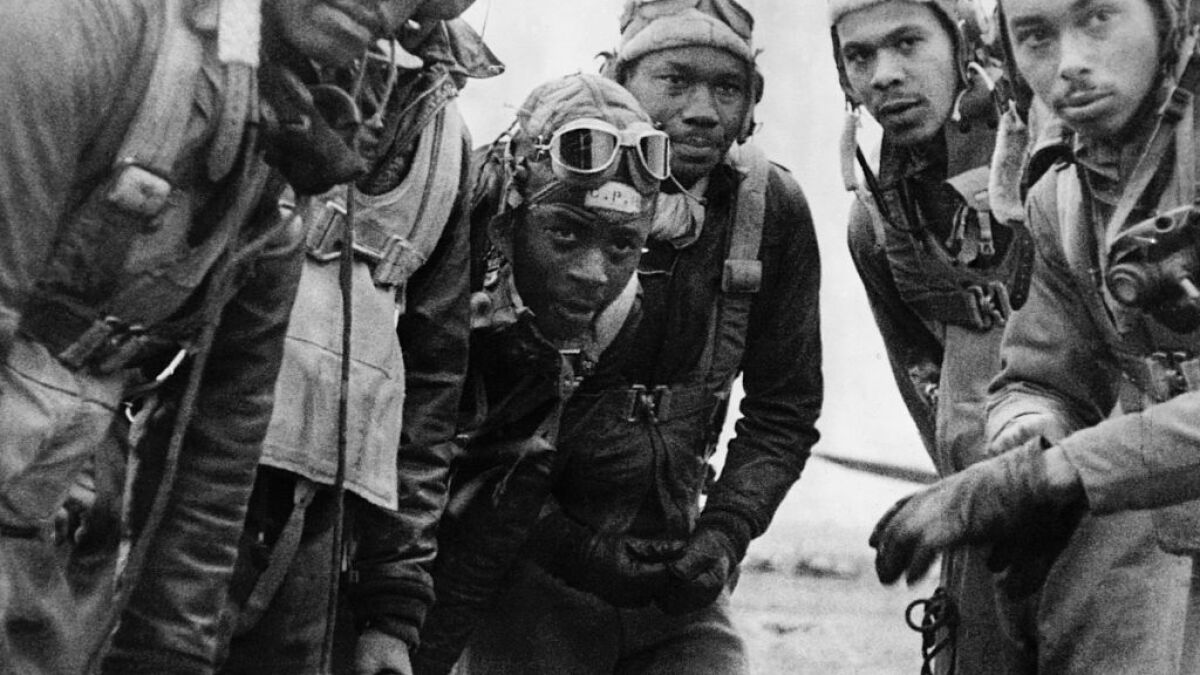
WWII is remembered as one of the most destructive global conflicts in history. It lasted for six years, from 1939 to 1945. The war was fought in Europe, the Pacific and in other parts of the world. It involved a total of over 70 countries, making it the deadliest conflict to ever take place.
Cause
The primary cause of WWI was the rise of Nazi Germany, which pushed the European countries into a state of conflict. The Treaty of Versailles, which marked the end of WWI, created a new set of challenges in Europe. The humiliation imposed on Germany by the Allies triggered a sense of resentment and nationalism within the country, eventually leading to the re-emergence of the Nazi party. The aggressive expansionist policies of Nazi Germany raised tensions in Europe and led to the outbreak of WWII.
Participating Countries
WWII involved a total of 70 nations from across the world. On the one side, the Allies comprised the UK, France, Soviet Union, China and the United States, to name just a few. On the other side, Germany, Italy and Japan formed the Axis, who were the main instigators of the war.
Important Dates
The important dates of WWI are as follows:
• September 1st 1939: Germany invaded Poland
• June 22nd 1940: France surrendered to Germany
• December 7th 1941: Japan demolished the US naval fleet in Pearl Harbor
• June 4th 1942: The Battle of Midway took place
• June 6th 1944: The Allies launched the Normandy invasion
• August 6th 1945: The US dropped an atomic bomb on Hiroshima
• August 15th 1945: Japan surrendered
• September 2nd 1945: World War II officially ended
Important Battles
WWII was characterized by a number of important battles. Below are a few of these:
• Battle of Stalingrad: This battle was fought by the Axis and the Allies for control of the city of Stalingrad (now known as Volgograd). It lasted for over five months and was the largest confrontation of WW2. The Soviet forces ultimately emerged victorious from the conflict.
• Battle of Midway: This battle marked the turning point of WW2 in the Pacific. It was fought by the United States and Japan in the Midway Atoll, just northwest of Hawaii. The US forces managed to turn the tide against the Japanese and ultimately achieved victory.
• Battle of the Bulge: This battle was the last major German offensive in WW2. It was fought in the Ardennes region of Belgium and saw over 600,000 Allied troops face off against 500,000 German troops. The Allied forces ultimately emerged victorious.
Results and Aftermath
The results of WWII were devastating, with over 60 million people killed in the conflict. This was more than twice the number of people killed in WWI. The economic and political landscape of the world was drastically changed, leading to the emergence of the United Nations and the continuation of the Cold War. WW2 also ushered in a new era of civil rights and freedom.
World War I and World War II were two of the most destructive global conflicts in history. They resulted in unprecedented levels of death, destruction and turmoil. The legacies of the Great Wars are still felt today in the form of economic hardship, political instability and civil unrest. It is important to remember both WWI and WW2 in perspective, as they are part of the same larger conflict that impacted the world in so many ways.