


The war in Ukraine is a tragedy that has caused untold human suffering and destabilized the region, with repercussions felt across the globe. The underlying causes of the conflict, Russia’s intervention, and the toll the war has taken are complex, but the truth is that Russian President Vladimir Putin holds a weak hand and is unlikely to gain any meaningful concessions from either Ukraine or the international community as a result of his actions.
Unfortunately, as long as Putin continues to press his advantage and exploit this dispute, the conflict may continue to drag on in a stalemate. In order to finally put an end to this conflict, the international community must successfully convince Putin to accept that the war in Ukraine holds no political, economic, or military benefits for him and that continuing the war is ultimately pointless.
Background
The conflict in Ukraine that began in 2014 was triggered by several strategic and economic missteps taken by the Ukrainian government, but has since become an international proxy war, with the US, EU, and NATO supporting Ukraine and Russia backing the separatists. The war has resulted in a devastating humanitarian and economic crisis in Ukraine, with thousands of casualties, -1.4% average economic growth, and diminished sovereignty for Ukraine over its eastern territories.
The Causes of the War
The root causes of the war in Ukraine are highly disputed. Russia claims that the Ukrainian government has failed to grant sufficient autonomy and rights to the Russian-speaking population of eastern Ukraine, while Ukraine insists that Russia’s actions are part of a campaign to destabilize the government and maintain its influence in the region. Whatever the cause, however, the international community has been united in its condemnation of Russia’s actions, and there is now a clear consensus that Russia bears a large part of the responsibility for the conflict.
Russian Objectives
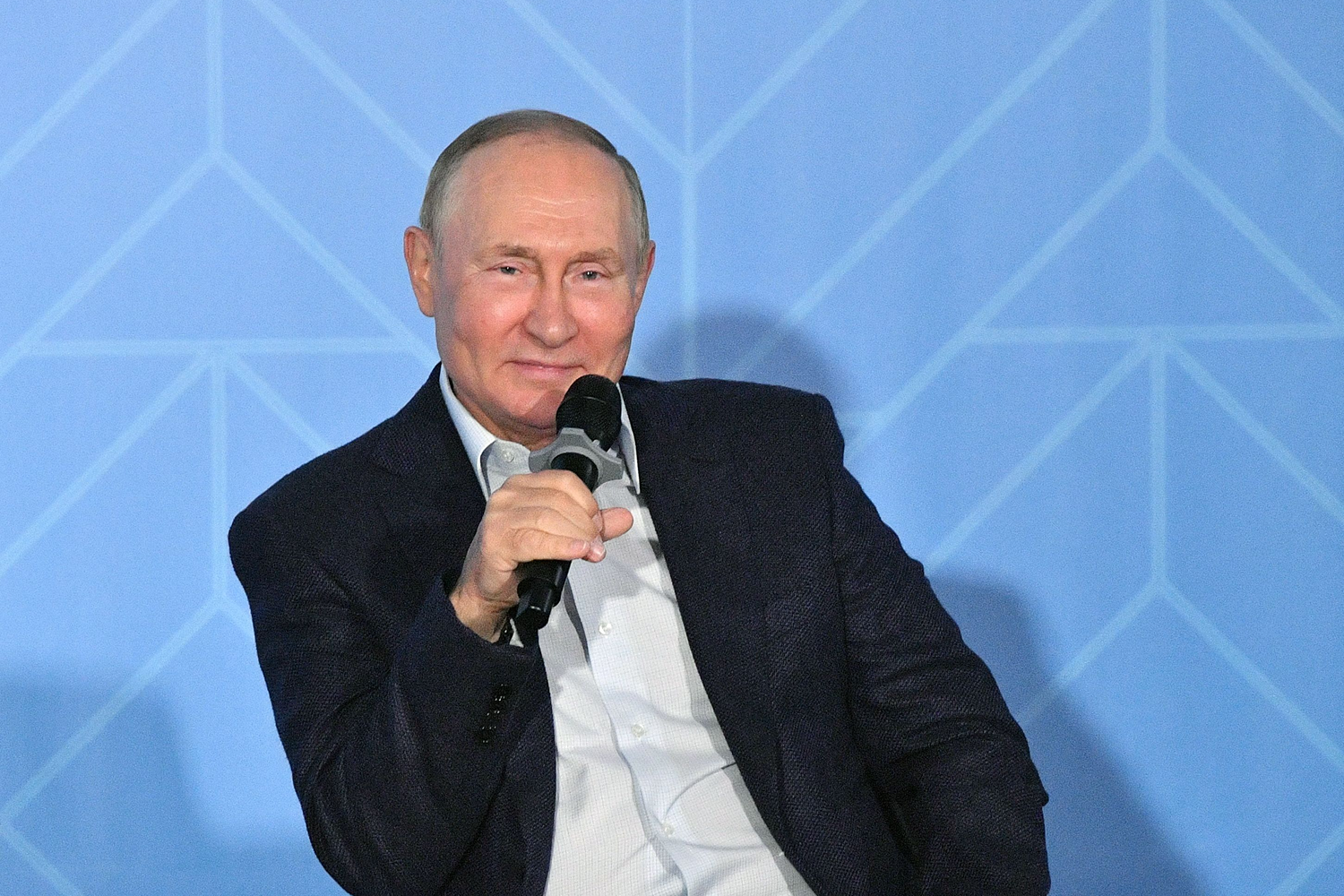
Russian president Vladimir Putin has made it clear through his actions and rhetoric that he views the war in Ukraine as an opportunity to reassert Russia’s dominance in the region and to demonstrate that Russia remains a great power on the global stage. He has also sought to portray the Ukrainian government as illegitimate, unrepresentative of the Ukrainian people, and unable to protect or provide for its citizens.
Putin seeks to accomplish these objectives by supporting the separatist movement in eastern Ukraine, in an effort to maintain a degree of control and leverage over the Ukrainian government. The two sides have reached several ceasefires and agreements, though all have either proved insufficient or completely failed to stop the fighting.
The Impact of Russian Involvement
Russia’s ongoing involvement in Ukraine has taken a heavy toll on the region. The conflict has had a profound political impact, with both Kyiv and Moscow hardening their positions and refusing to compromise. Russia has been further isolated from the international community, and its reputation and credibility have suffered. In addition, the conflict has had a devastating economic impact, with Russian sanctions depriving its economy of investment, trade, and other sources of revenue.
The Costs to Russia
Put simply, Russia has almost nothing to gain from its involvement in the war in Ukraine. As mentioned previously, the conflict has resulted in a significant economic cost to Russia and has pushed it further away from the West, both diplomatically and economically. Moreover, it has done little to advance any of Russia’s stated objectives, leaving it with a mere illusion of victory. According to most estimates, it is highly unlikely that the sanctions imposed on Russia by the US and EU would be lifted in the foreseeable future.
Thus, maintaining a military presence in Ukraine and supporting the separatists will only lead to further economic hardship and political isolation for Russia, with no benefits that could be perceived as satisfactory.
Reasons Why Putin Will Likely Lose This Conflict
- The Ukrainian government has proven to be resilient in the face of Russian aggression, and the public continues to back the government strongly.
- As a result of the war, the United States and the European Union have imposed harsh sanctions on Russia and provided military and financial support to Ukraine.
- Russia is losing public support for its involvement in the conflict, with an increasing number of people in Russia and the West becoming critical of Putin’s stance.
- Over the past two years, the international community has become more unified in its opposition to Russian aggression, with the US and EU taking stronger measures to prevent further Russian meddling in the region.
- Putin’s strategy of trying to negotiate a favorable settlement has failed to gain momentum, as the Ukrainian government has refused to make any concessions.
- With Ukraine’s economy finally recovering, Russia no longer has any leverage to use in trying to gain concessions.
- Russia’s main objective of maintaining a buffer zone in eastern Ukraine is becoming increasingly unattainable.
The war in Ukraine has been a tragedy that has caused untold destruction and suffering. Putin’s attempts to use the conflict to reassert Russia’s influence in the region have thus far proven unsuccessful, and the cost of Russia’s involvement has been immense. The most effective way to convince Putin to stand down, therefore, is to demonstrate that the war holds no political, economic, or military benefits for him and that continuing the war will only bring further harm to Russia and its people.