





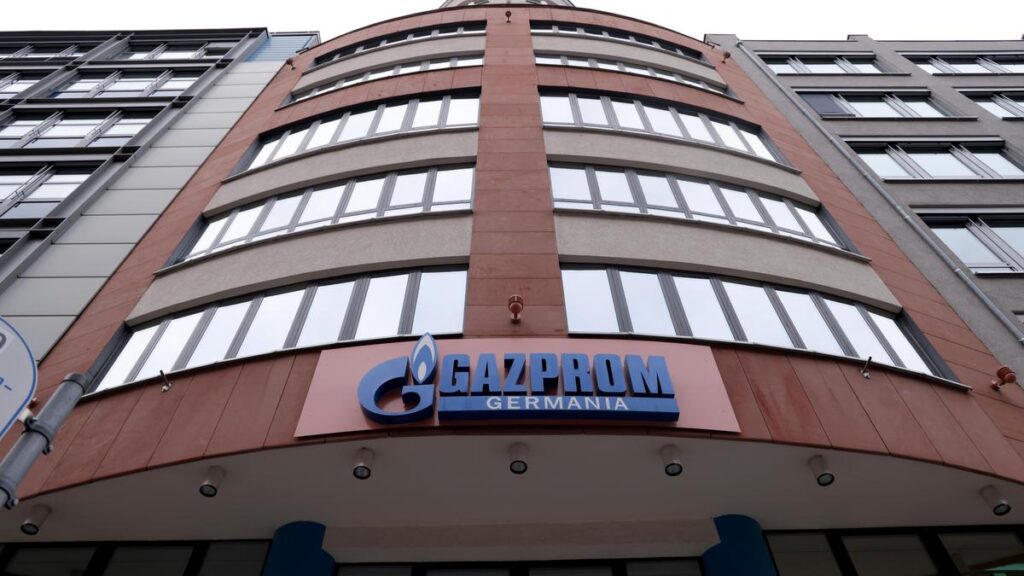
Gazprom, Russia’s state-owned energy company, has been one of the most contentious players in the European energy market for decades. And recently, Germany has taken the unprecedented step of nationalizing the company’s German business. This move is the latest in a series of actions taken by Germany to strengthen its role in the European energy market — and is already having a major impact on the wider energy landscape in Europe.
In this article, we’ll explore what the German nationalization of Gazprom’s German business means and how it will affect the energy market in Europe — and beyond.
A Look at Gazprom and Its Play in the European Energy Market
Gazprom is Russia’s largest energy company, and it has a long history of involvement in the European energy market. Its primary business is the production and export of natural gas to countries throughout Europe — as well as other parts of the world. It is one of the largest natural gas producers in Europe and its exports account for roughly a quarter of Europe’s total natural gas consumption.
Gazprom is a major player in the European energy market and its influence has been felt in a number of ways. It has been used as a political tool by Russia to influence the politics of some European countries. It has also been accused of leveraging its size and influence to drive down prices, giving it an unfair competitive advantage over smaller rivals.
Why Germany Has Nationalized Gazprom’s German Business
Recently, Germany has taken the unprecedented step of nationalizing Gazprom’s German business. This move is part of the wider “Energy Transition” plan being implemented by the government in Berlin.
The Energy Transition plan aims to move away from nuclear and fossil fuels and toward renewable energy sources in the country. As part of this plan, Germany is looking to increase its control over energy production and distribution in the country.
In the case of Gazprom, the government has sought to nationalize the company’s German business, seeing this as a way to increase the country’s control over the energy supply in Germany. This move is seen as a way to ensure that energy production and pricing remain under the control of the German government.
The Impact of Nationalizing Gazprom’s German Business
The German nationalization of Gazprom’s German business is already having an impact on the wider energy landscape in Europe — and beyond.
The move has provoked a strong backlash from the Russian government. In response, Russia has threatened to reduce its natural gas exports to Europe and increase exports to Asia instead. This could have a major impact on Europe’s energy market, as Gazprom is a major supplier of natural gas to the continent.
Furthermore, other European countries have started to look at ways to limit Gazprom’s market dominance in their own countries. This could result in increased competition within the European energy market as other companies look to take advantage of potential opportunities created by the German move.
The German nationalization of Gazprom’s German business is a major development in the European energy market, and it’s already having a major impact. The move is part of the country’s plan to move away from fossil fuels and nuclear energy and toward renewables — and it’s likely to have major implications for the energy market in Europe as well as Russia’s role in it. As such, it’s a move worth keeping an eye on in the weeks and months ahead.


