





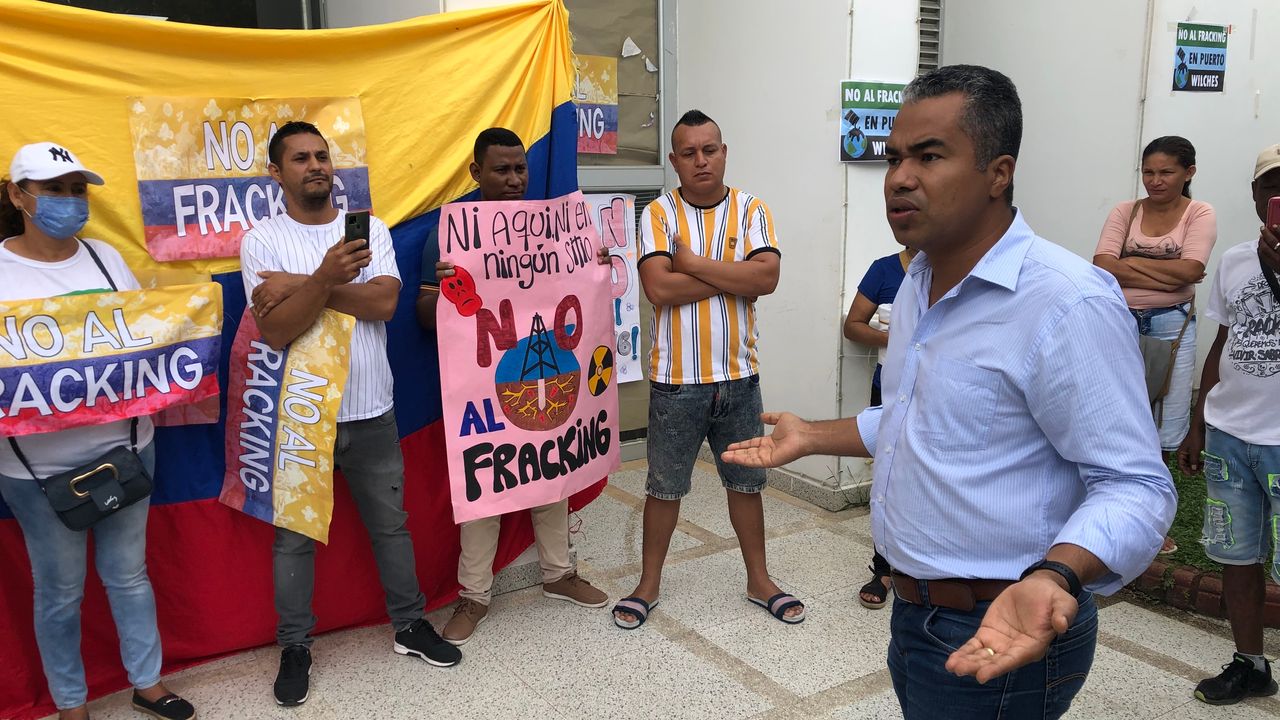
The Colombian election of June 2018 has left the country in political limbo, and the future of the oil sector front and center. Since Colombia’s largest opposition party has millions of supporters and is the runner up in the political polls, the new Colombian president will likely be influenced by their policies and demands. As a result, the oil sector in Colombia is in a precarious situation, with uncertainty as to its future.
This article will explore the future of Colombia’s oil sector, what it means for investors, and what potential ramifications the current election may have for the sector in the future. We’ll look at the country’s growing dependence on oil, the current political situation, and the possible implications of the election.
Colombia’s Growing Dependence on Oil
Colombia is one of the most oil-dependent countries in Latin America. In 2017, oil accounted for 33 percent of Colombia’s total exports and 23 percent of GDP. The country’s oil production reached nearly 1.3 million barrels a day during that same year, representing significant economic growth and contributing to the country’s economic development.
However, while oil has been a major source of income, it also exposes Colombia to various risks. Oil revenues are highly dependent on the global market, and a drop in prices can dramatically affect the country’s economy and its ability to create jobs.
The Current Political Situation
The current election has been seen as a pivotal moment for the country, as the winner will have the opportunity to determine the future of Colombia’s oil sector. The two candidates leading in the polls have differing opinions on the sector and its importance in the Colombian economy.
Iván Duque, who seemingly won the election, is the candidate of conservative Democratic Centre Party, who have historically favored a strong oil sector and have pushed for proposals to expand oil production. Duque, in particular, has proclaimed his intention to relax regulations on oil exploration and production in order to create jobs and stimulate economic growth.
On the other hand, runner-up Gustavo Petro, who has found support among many sectors of the population, is a strong opponent of the oil sector. Petro has spoken out against the damaging environmental effects of the sector, and has proposed to reduce dependence on the oil sector by investing in renewable energy.
Implications of the Election
Despite Duque’s present victory, Petro’s strong showing has been seen as a sign that the enthusiasm for the oil sector may be waning. Duque will likely move to support oil companies and expand the sector if he is to meet the demands of the people who elected him. However, if the voices calling for greater investment in alternative energy sources continue to build pressure, his decisions could function as a compromise between Petro’s demands and the interests of the oil sector.
Duque’s election is likely to create greater stability and investment opportunities in Colombia, with oil companies eager to expand operations and take advantage of favorable policies.
For Investors
The future of Colombia’s oil sector is hard to predict, but investors can prepare for a more stable market in the near future. Investors should keep an eye on any changes in the political situation and observe companies to see how they adapt to the new government. Additionally, investors should pay attention to the coming developments in renewable energy, so they can make the best decisions if they plan to invest in the sector in the future.
The Colombian election has put the future of the oil sector in limbo, as the newly-elected president is likely to be influenced by the demands of both major candidates. While the election result is a victory for the oil sector, the runner-up’s demands for investment in renewable energy means that Duque will have to balance between the two if he is to appease both sides. This election could consequently have an effect on the market, and investors should prepare themselves accordingly.


