




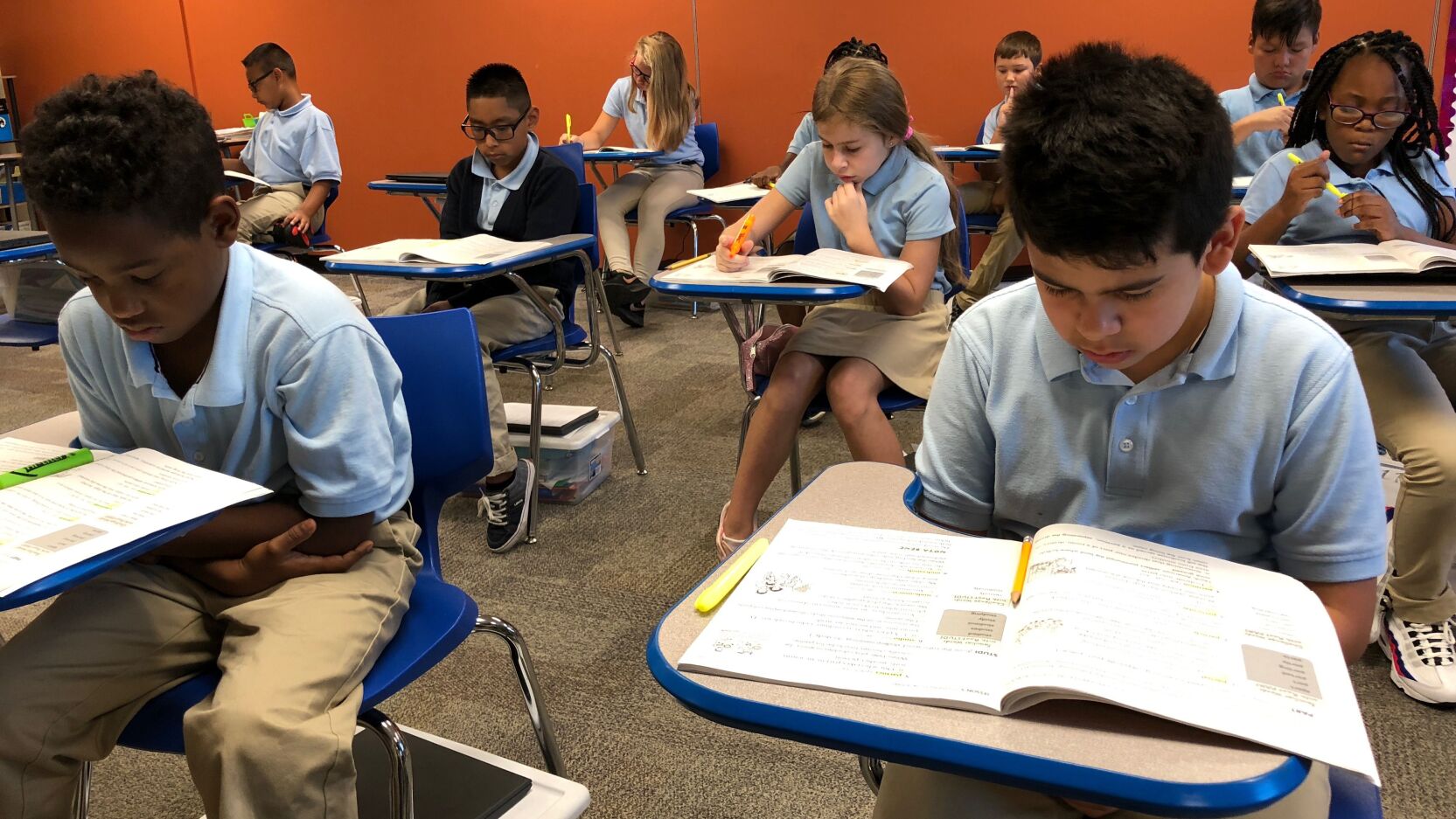
The public school system in the United States has been in place for over 150 years, providing an education to children of all socioeconomic backgrounds. However, in recent years, the public school system has come under fire, with many parents and politicians questioning the quality of education these schools can provide. Because of this, charter schools have become an increasingly popular alternative to the traditional public school system. Charter schools offer an array of educational opportunities and resources and serve as an invaluable tool for addressing the often-neglected needs of American students.
What Are Charter Schools?
Charter schools are public schools that operate independent of the traditional public school system, often with the assistance of private or nonprofit sources. These schools are held accountable for the educational performance of their students, with success being measured by academics and other performance standards. Annual evaluations decide the continued operation of the schools, a factor that leads to a strong commitment to achievement from the charter schools and their staffs.
Another feature of charter schools is the innovation they are free to implement. Charter schools often introduce new methods of instruction and graduation requirements, such as proficiency in a foreign language or the achievement of internship credits. This encourages students to think out of the box and develop their full potential.
Benefits of Charter Schools
Charter schools can provide a number of benefits to students and parents when compared to traditional public schools. The most pronounced of these advantages is their increased autonomy and diversified curricula. Because the charter schools are free of many of the restrictions placed on traditional public schools, they have the resourcefulness to provide more innovative and individualized instruction to meet the exact needs of their students.
Some charter schools also offer longer academic year or day due to their independence from the traditional school day and year. This extra instruction time can provide a boost to student’s educational performance, an invaluable factor for those who need assistance with coursework or who want to become ahead of their peers.
Charter schools also tend to focus on using technology as a teaching tool. From a variety of computer programs to interactive whiteboards and GPS systems, charter schools offer a 21st century learning environment that encourages exploration and creativity. These technologies can even be used to help attract students interested in specialized career paths such as engineering or medicine.
Charter School Funding
Despite the numerous benefits charter schools can provide students and parents, they are faced with the same fundamental funding problems that plague public schools. Each school is allocated a certain amount of government funding, which is supplemented by fundraising activities such as auctions and donations. However, due to their flexibility, some charter schools are able to secure additional funds from the private sector.
Also, in the United States, some states have implemented education tax credits that provide an additional source of school funding. Private investors can donate to charter schools and receive a state tax credit in return, a win-win for both the donor and the school. State funding for charter schools does vary widely, however — some states provide extra resources to help bolster their charter schools, while others offer minimal funding and require that charter schools be completely privately funded.
Charter schools provide an invaluable resource for parents seeking an alternative to the traditional public school system. Focused on teacher and student accountability, as well as diversified curriculums and innovative technology use, they offer an invaluable tool for providing an excellent educational experience. Though these schools face similar funding issues to public schools, with the right amount of dedication and creativity, students can enjoy the benefits of personalized instruction without the constraints of a traditional setting.