




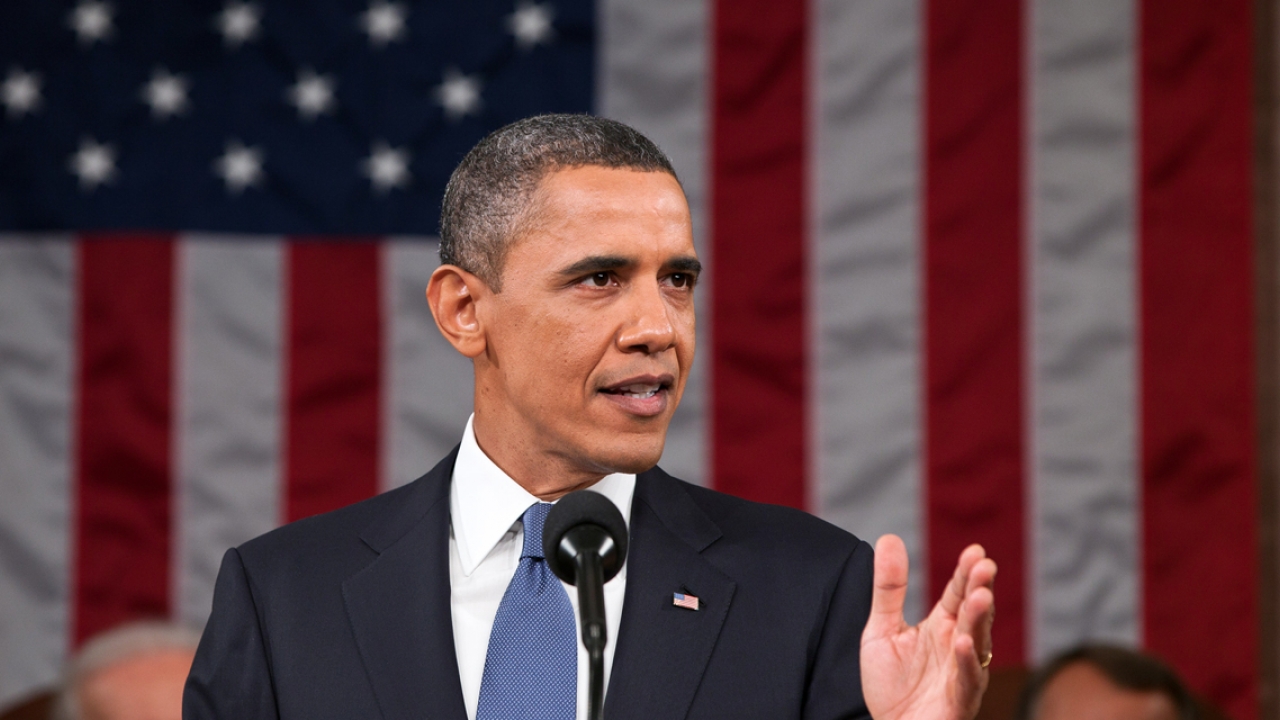
Barack Obama’s election to the presidency of the United States was a major milestone in American history. Not only was he the first African-American leader to occupy the White House, but it also represented a hopeful period of change from the policies of the George W. Bush era. Obama’s presidency brought forth a spirit of hope, progress, and change for the nation and was a powerful reminder that anything was possible. This article will look at the changes, diversity, and challenges of the Obama presidency, and how they impacted the nation.
Contrast with the Bush Administration
When Barack Obama assumed office in 2009, the nation was in a state of recession and the Bush administration’s policies had left the country in deep economic and social turmoil. Obama promised to bring a more progressive agenda, to end the wars in Iraq and Afghanistan, and to bring greater unity, fairness, and equity to the nation. With his ambition of “change” and “hope,” Obama set out to make a difference in the way things were.
Obama’s foreign policy was a marked departure from that of Bush. He sought to strengthen his diplomatic relations with foreign countries and pursued an agenda of nuclear disarmament, particularly in Iran and North Korea. He also removed all U.S. troops from Iraq and Afghanistan, and worked to reduce terrorism through initiatives such as the Drone Strikes Program.
At home, Obama championed an ambitious program of economic recovery for the recession-ravaged nation. His “stimulus” package provided billions of dollars in grants and tax credits to small businesses and families to help jumpstart the economy and create new jobs. He also pushed for health care reform, passing the Affordable Care Act (ACA), also known as “Obamacare”.
Impact of the Obama Presidency
The Obama presidency saw a marked shift in American politics. His impact was felt in both the domestic and foreign policy arenas.
Domestic
• Unemployment: Under Obama, the unemployment rate fell to its lowest level since 1969, from a peak of 10% in October 2009 to 4.7%.
• Health Care: Obama’s ACA was a major victory for the president, providing health care coverage to millions of uninsured Americans. The law also outlawed insurance companies from denying coverage for pre-existing conditions.
• Education: Obama’s Race to the Top program helped states promote education reform, increase accountability, and raise standards in reading and math.
• LGBT Rights: Obama championed LGBT rights and ended the military’s “Don’t Ask Don’t Tell” policy. He also declared same-sex marriage to be a constitutional right, making it legal throughout the United States.
Foreign
• Relations with Cuba: Obama improved diplomatic relations with Cuba, re-establishing an embassy in 2015.
• Iran Nuclear Deal: The Iran Nuclear Deal was a major foreign policy achievement, leading to the loosening of economic sanctions on Iran in exchange for restrictions on their nuclear weapons development.
• Paris Agreement: Obama was a major proponent of the Paris Agreement, a global effort to reduce greenhouse gas emissions and mitigate the impacts of climate change.
• Refugee Crisis: Obama increased the number of refugees admitted to the U.S. from countries such as Syria and Iraq.
Diversity of the Obama Administration
The Obama Administration was notable for the diversity of both its staff and Cabinet.
Examples of his diverse Cabinet included Attorney General Eric Holder, the first African-American to head the Department of Justice; Hillary Clinton, the first female Secretary of State; and Samantha Power, the first woman to serve as U.S. Ambassador to the United Nations.
In addition, Obama’s staff was also diverse, employing individuals of various religions, races, and sexual orientations.
Challenges Faced
While Obama’s term in office was largely successful, there were some challenges that he faced.
• Healthcare reform: Though Obama was able to pass ACA, it faced fierce opposition from Republicans and was frequently threatened with repeal.
• Immigration: Obama was committed to reforming U.S. immigration laws but was ultimately unable to do so due to Republican opposition.
• Race Relations: Obama’s election did not bring an end to racial tensions in the United States. Situations of police brutality, racial profiling, and income inequality remain major challenges for minority groups.
• Climate Change: Despite his advocacy for the Paris Agreement, Obama was unable to bring about meaningful changes in policy to reduce greenhouse gas emissions.
The Obama presidency was a period of hope and change, and ushered in a period of progressive reform. Through his initiatives, Obama was able to make great strides in healthcare, education, and foreign policy. He was also the first president to recognize the importance of diversity, both in his own staff and Cabinet, and in the nation as a whole. Despite some challenges, Obama’s presidential term laid the groundwork for a more progressive, just, and united nation.