




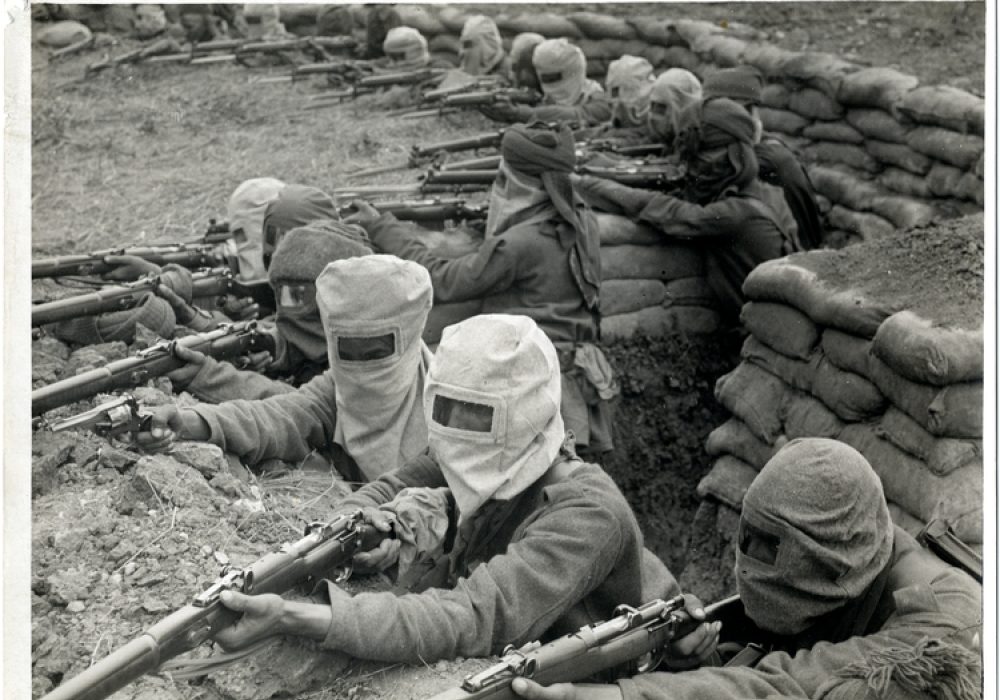
The threat of chemical and biological weapons of mass destruction has haunted military forces, governments, and at-risk populations for centuries. Once loosed upon populations, these toxic and infectious agents have the power to cause immense suffering and take thousands of lives in just a single instance. Even as we find ourselves in the 21st century, our world is still far from being safe from the specter of chemical and biological agents of mass destruction. This article takes a closer look at the devastating legacy of chemical and biological weapons of mass destruction.
What Are Chemical and Biological Weapons?
Chemical and biological weapons of mass destruction are agents released from weapons systems that are used to spread death and destruction on a large scale. Chemical agents are synthetically-created substances, such as mustard gas or sarin nerve agents, designed purposely to act as weapons of mass destruction. Biological agents, on the other hand, are naturally-occurring microbes such as anthrax, botulinum toxin, or Ebola that can be weaponized for use against a population.
Chemical and biological weapons of mass destruction have been in use since ancient times, but were used on an industrialized scale for the first time in World War I. During the course of the war, the Germans used the first widely-known chemical weapon: mustard gas. Since then, no modern war has failed to feature chemical or biological weapons in some form.
Chemical and Biological Weapons of Mass Destruction: A Global Problem
Both chemical and biological weapons of mass destruction are used the world over. From government-sponsored programs to individual attacks, these weapons of war pose a great threat to all populations.
Chemical Weapons
Chemical weapons have been used in numerous conflicts around the world since the end of World War I. The most notable attack was in 1988, when Iraqi forces unleashed poisonous nerve agents during the Iran-Iraq War, killing as many as 20,000 people. In 2013, a series of chemical weapons attacks in Syria resulted in the deaths of over 1,300 civilians.
Biological Weapons
Biological weapons, like chemical weapons, have been utilized in many conflicts around the world. The most notable attack was in 1995 during the Aum Shinrikyo cult’s attack on the Tokyo subway system using sarin nerve gas. The attack killed 13 civilians and injured thousands more.
In 2002, the United States began to send letters containing spores of anthrax to members of Congress and the media. This attack resulted in the deaths of five people and the injury of 17 others. It also prompted a massive scare and frightened many citizens.
The Global Response to Chemical and Biological Weapons
Given the immense threat posed by chemical and biological weapons of mass destruction, it is unsurprising that the global community has taken steps to address the issue.
The Chemical Weapons Convention
The Chemical Weapons Convention (CWC) was passed in 1993 and came into force in 1997. The CWC prohibits the production, stockpiling, and use of chemical weapons, as well as their transfer to other countries. As of July 2020, 192 countries had ratified the CWC. However, some countries are known to possess, produce, and stockpile chemical weapons and are not party to the CWC.
The Biological Weapons Convention
The Biological Weapons Convention (BWC) came into force in 1975, shortly after the signing of the Geneva Protocol in 1925. The BWC prohibits the development, production, stockpiling, and use of biological weapons. As of 2020, a total of 170 countries had acceded to the BWC.
The Role of International Law
International law plays an important role in limiting the use of chemical and biological weapons. The Geneva Protocol of 1925 outlaws the use of such weapons during wartime, and both the CWC and BWC lay out strict rules and regulations for the production, stockpiling, and transfer of such weapons.
In addition, the Rome Statute of 1998 established the International Criminal Court (ICC) to prosecute individuals responsible for the use of chemical and biological weapons of mass destruction.
The Human Cost of Chemical and Biological Weapons
Despite all the efforts of the governments and international community, chemical and biological weapons of mass destruction remain an ever-present threat. The deaths and injuries that result from the use of such weapons are truly horrific.
Health Effects of Chemical Weapons
The effects of chemical weapons are varied and can range from mild to deadly. The most common effects include:
• Skin burns, rashes, and blisters
• Respiratory problems, including lung damage, asthma, and other breathing difficulties
• Eye irritation, inflammation, or damage
• Nausea, vomiting, and diarrhea
• Paralysis or death
Health Effects of Biological Weapons
Biological weapons can also have devastating effects on human health. Some of the most common effects include:
• Respiratory illnesses, including pneumonia and other lung infections
• Vampire-like syndromes and other flesh-eating diseases
• High fever and other flu-like symptoms
• Seizures and fatal brain swelling
• Chronic illnesses, such as cancer and autoimmune diseases
Chemical and biological weapons of mass destruction are a horrific reality of our modern age. They not only devastate lives, but can also lead to long-term health complications. Though governments and the international community have taken measures to address their use, chemical and biological weapons of mass destruction remain a potent threat to human life. It is hoped that, in time, we can find a way to make the world safe from such weapons.