





The world economy was dealt a massive blow in 2020 due to the Covid-19 pandemic, which caused widespread disruption to nearly all major industries. The global GDP fell by an estimated 3.5%, with many countries experiencing their deepest recession on record. In response, countries across the world injected massive amounts of capital into their economies in an attempt to stimulate growth. One country seen as a potential savior is China.
China has experienced a remarkable growth in its economy of late, becoming the world’s second-largest economy behind the United States. Many people have looked to China to provide the same level of growth and capital injections that it has in previous years, to help stimulate the rebound of the global economy. However, there are several reasons why the world shouldn’t be counting on China to save the global economy.
Impact of US-China Relationship on Economic Growth
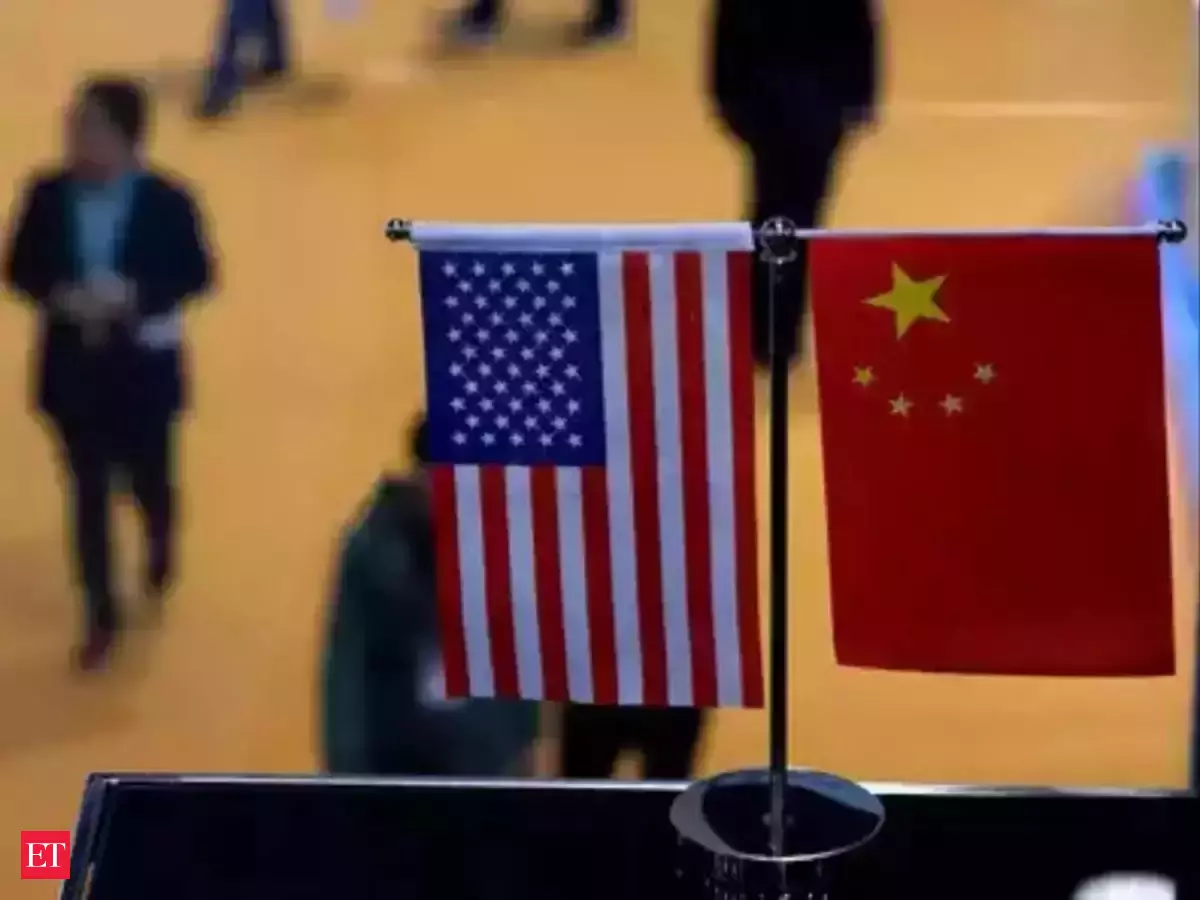
One of the primary reasons for not relying on China for economic strengthening is the downward spiral of the US-China relationship. The increasing tension between the two countries has had a major impact on trade and economic growth. Since 2018, the US has imposed several rounds of tariffs on Chinese goods, resulting in a dramatic drop of Chinese exports. This has led to a drop in economic activity and has had a ripple effect throughout the world economy.
At the same time, the US has also restricted access to certain Chinese companies and limited Chinese firms’ ability to do business with American companies. This has greatly impacted Chinese investment in the US, which has seen an estimated drop of 80% since its peak in 2017. This fractured relationship has created a domino effect, with other countries often following the US’ lead when it comes to trade policy. This has resulted in reduced economic activity and has put a dampener on China’s ability to drive the global economy.
Slowing Chinese Economic Growth
Not only is the US-China relationship having an impact, but the Chinese economy itself has been slowing down in recent year. China’s GDP growth rate slumped to its lowest point since 1992 in 2020, dropping to 2.3% in Q4 of 2020. This is despite government efforts to stimulate the economy such as increased infrastructure spending and tax cuts. The slowing growth rate is largely a result of the Covid-19 pandemic, but also comes from weakening global demand and the trade tensions with the US.
China’s economic woes have been compounded by other Chinese-specific issues, such as a high level of corporate borrowing, rising labor costs, and an aging population. These issues have been long-standing, and are leading to decreased productivity and weakening domestic demand. All of these factors need to be addressed in order for the Chinese economy to rebound, and for it to be able to provide any assistance to the global economy.
China as Part of a Global Solution
Despite seeming bleak, all is not lost for China’s role in the global economic recovery. The Chinese government is investing in technology, research, and development to ensure future economic growth. Additionally, Chinese businesses have increased their investments in other countries over the last few years, with Chinese firms investing an estimated $258 billion abroad in 2020. This level of investment could be ramped up further now that the Chinese economy is showing signs of returning to health.
It is clear that China cannot be relied upon as the sole country to spur global economic growth. Instead, it should be seen as just one part of the solution. To ensure an economic recovery, countries need to implement fiscal policies that stimulate growth. Governments need to unleash public sector spending, utilize increased monetary policy and speed up vaccine rollouts to put their economies back on a path to prosperity.
In conclusion, it’s clear that the current global economic climate is complex and uncertain. The global economy is heavily reliant on a few key players, such as the US, China, and the EU. While China may be able to contribute to global economic growth, it is not able to do so on its own. It will require collaboration across the world and a multi-pronged approach to ensure a rapid and secure return to economic health. The world needs to look beyond China when it comes to achieving the global economic recovery.


