





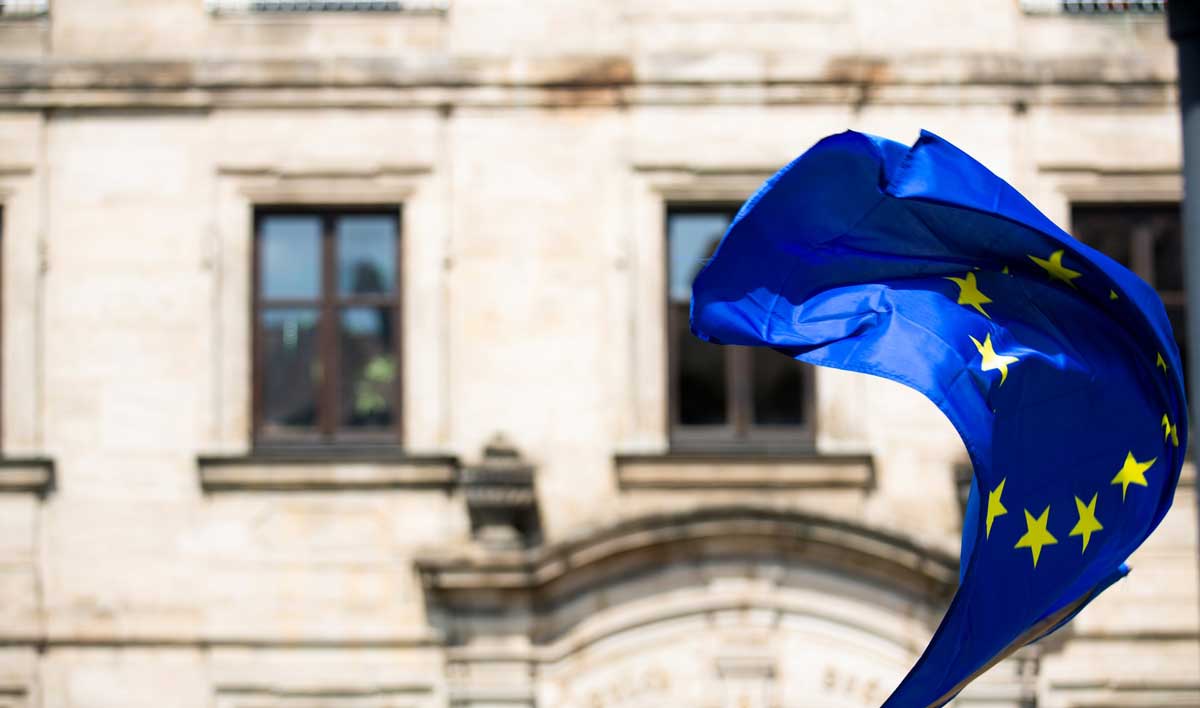
The European Union (EU) is a unique political institution that has succeeded in creating an area of peace, freedom and prosperity in a region formerly marked by war and conflict. The EU is composed of 28 Member States and has been growing since its creation in 1957. EU enlargement and integration are two of the Union’s founding principles and are fundamental for the continued success of the EU. In this article, we will discuss the main challenges and opportunities posed by EU enlargement and integration, providing an overview of their implications for the EU.
What is EU Enlargement?
EU enlargement has been a cornerstone of European integration for many decades and was an important factor in developing the continent’s economic and political integration. The EU has grown from six founding members in 1957 to 28 constituent countries in 2020. The process of EU enlargement has involved the successive accession of countries from Central and Eastern Europe, the Mediterranean region, the Western Balkans and other geographical regions. The enlargement process has resulted in a more politically and economically united and stronger Europe.
Challenges of EU Enlargement
Despite the positive effects of EU enlargement, the process has been associated with some significant challenges and difficulties. Here are some of the main issues:
• Political and Constitutional Challenges: The process of EU enlargement involves a gradual and far-reaching process of political and constitutional change. The process often requires a complete overhaul of the legal and institutional structures of newly acceding countries, as well as major redistributions of power and responsibilities between Member States.
• Cultural Challenges: The EU’s enlargement process involves the integration of very different cultures and societies. This can lead to tensions and conflict between the different groups, which can hamper the functioning of the Union.
• Economic Challenges: EU enlargement often leads to increased economic competition from the new Member States. This can lead to a decrease in economic output in some of the older Member States.
• Migration Challenges: The EU’s enlargement process has also been associated with an increase in immigration from the new Member States. This can put strain on public services and lead to a decrease in public support for the Union.
Opportunities of EU Enlargement
In spite of the challenges posed by enlargement, there are also significant opportunities that have come with the integration of the new Member States.
• Political Opportunities: EU enlargement has helped to create a more secure and stable political environment in Europe, as well as reducing the threat of conflict between countries. The process has also led to increased democracy and has improved respect for human rights across the European Union.
• Economic Opportunities: The integration of the new Member States has resulted in increased trade and investment opportunities, as well as the development of a single market with the free movement of goods, services and people. This has helped to spur economic growth in the region and has led to an increase in living standards.
• Cultural Opportunities: EU enlargement has led to increased opportunities for cultural exchange, allowing for a greater understanding and appreciation of different cultures. This has contributed to increased peace, solidarity and cooperation in the region.
EU enlargement and integration have certainly posed a number of challenges for the Union, but these have been outweighed by the opportunities it has provided for greater political, economic and cultural cooperation. The process has been a key factor in transforming the European Union into a more prosperous and united region. As the process of European integration continues, it is important to consider both the challenges and the opportunities posed by EU enlargement and integration in order to ensure that the EU remains a successful union of states.


