




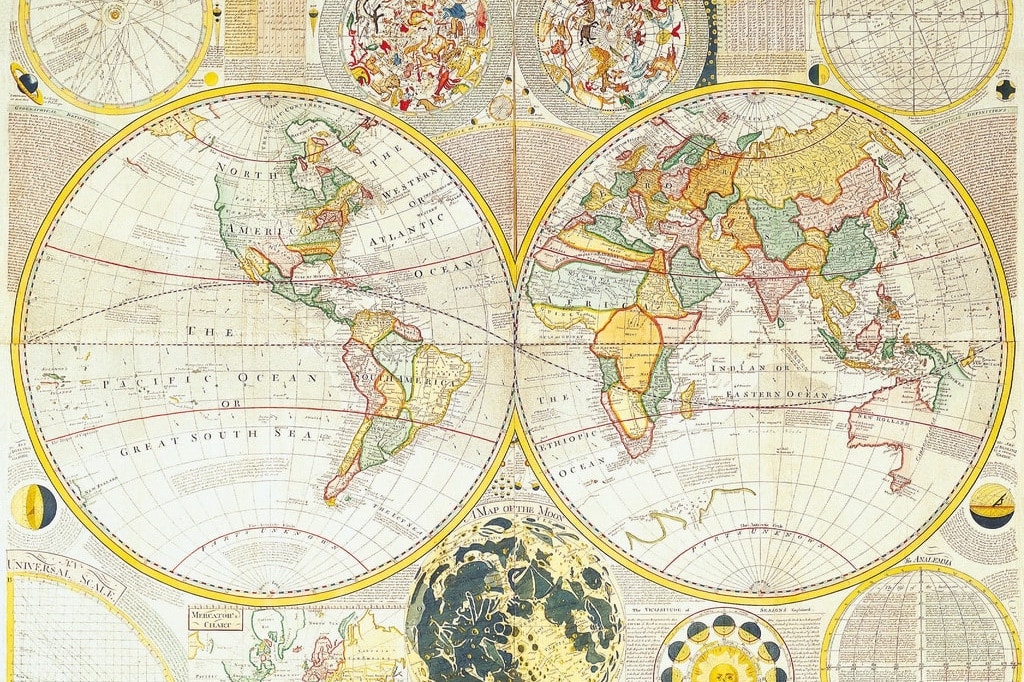
Geospatial analysis is an increasingly important tool when it comes to examining political science data. By combining digital data, mapping techniques, and geographical information, geospatial analysis provides a visual representation of complex data — ultimately creating a powerful and effective means of studying social and political phenomena. In this article, we’ll take a closer look at geospatial analysis and the role it plays in political science, exploring how it can be used to map and visualize data.
What is Geospatial Analysis?
Geospatial analysis is a branch of geographic information science (GIS) which studies and manipulates data related to the physical environment, including terrain, geographical features, population, and economic indicators. This analysis involves using mapping techniques, statistical and modelling tools, and satellite imagery to represent, analyse, and interpret physical attributes. Geospatial analysis can also be used to compare different areas, identify trends, and reveal patterns in data.
Uses of Geospatial Analysis in Political Science
Geospatial analysis can be used for a wide range of political science topics, including conflict, immigration, and global trade. The main purpose of geospatial analysis in political science is to map and visualize data in order to gain a better understanding of what’s happening in the political landscape.
- Mapping and Analyzing Political Conflicts
One of the most common uses of geospatial analysis in political science is to map and analyze political conflicts. Geospatial analysis can be used to identify and visualize different conflict hot spots, analyze geopolitical trends, and examine the dynamics of conflicts across various regions. For example, researchers have used geospatial analysis to analyze the conflict in Syria, and to track the spread of violence across the country.
- Studying Immigration Trends
Geospatial analysis can also be used to study trends in immigration. Researchers have used geospatial analysis to analyze patterns in immigration flows and identify areas of high immigrant concentration. This type of analysis can also be used to examine the impact of immigration on local communities — such as the types of jobs immigrants hold, the language they use, and their overall contribution to the local economy.
- Examining Global Trade
Geospatial analysis can also be applied to assess and analyze global trade trends. By mapping data such as the export and import of goods, researchers can identify areas of trading concentration, identify high-value trading partners, and gain a better understanding of the factors driving and influencing global trade patterns.
- Examining Political Environments
Geospatial analysis can also be used to examine political environments. This type of analysis can be used to map election results and assess the influence of key factors such as voter registration rates, turnout rates, and regional political divisions. Geospatial analysis can also be used to analyze the impact of economic indicators on political outcomes, such as the relationship between income level and support for a particular political party.
Benefits of Geospatial Analysis
Geospatial analysis offers a range of benefits when it comes to studying political science data. Some of the key advantages include:
• Aesthetically pleasing representations of data: Geospatial analysis provides a visually appealing representation of political data, which is easier to interpret and understand than traditional data tables or graphs.
• Ability to geographically target information: Geospatial analysis allows researchers to target information to a specific geographical area, making it easier to assess local impacts and identify trends within a region.
• Easy to use and understand: Geospatial analysis is relatively easy to use and understand, allowing researchers to quickly identify patterns that may otherwise be overlooked.
• Cost-effective: Geospatial analysis is much more cost-effective than traditional methods of data analysis, as there is no need to purchase expensive hardware or software.
Geospatial analysis is an invaluable tool when it comes to studying and analyzing political science data. By combining digital data, mapping techniques, and geographical information, geospatial analysis provides a visual representation of complex data, making it easier to identify patterns, compare different areas, and assess the impacts of social and political phenomena. Geospatial analysis is a cost-effective and efficient method of data analysis, and its popularity is only set to increase in the years to come.