





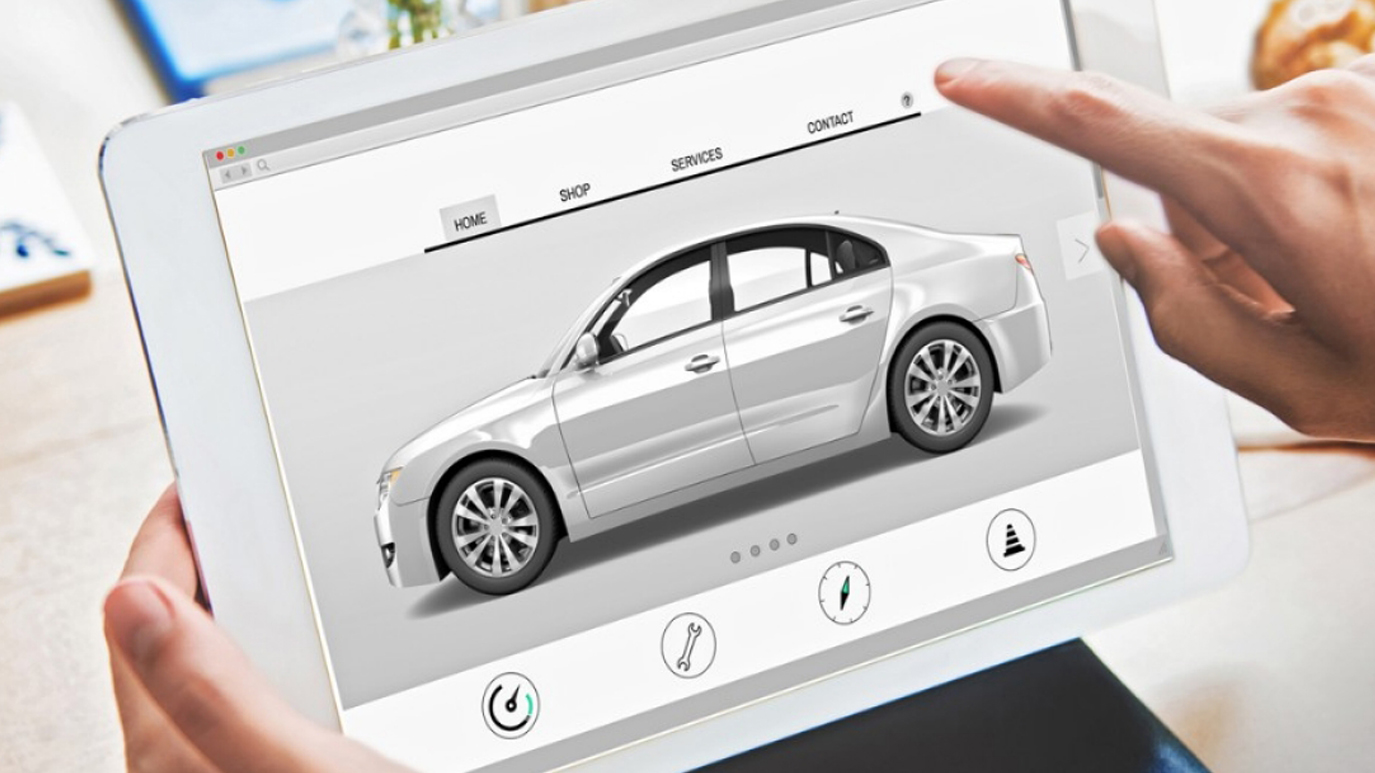
The automotive industry has been dealing with massive changes in recent years, as technology and consumer needs both evolve. But now, the industry is facing its greatest upheave, as the global pandemic has drastically accelerated the need for ecommerce solutions. In order to keep pace with the digital shift, automotive companies must leverage the latest technology, optimize processes, and adopt new strategies – all of which will shape the future of the industry.
The Rise of Ecommerce in the Automotive Industry
The shift to ecommerce is becoming increasingly evident in the automotive industry, especially in the wake of the pandemic. The pandemic has certainly hindered in-person interactions and traditional sales methods, so companies are turning to digital solutions to stay afloat. This has been particularly difficult for businesses in the automotive industry, since automobiles are the one category of product that is notoriously difficult to purchase and sell online.
As a result, the necessity for an ecommerce presence and for the integration of digital tools is resulting in a profound shift in the way the industry operates. And while some companies are resistant to change, it’s clear that digital has now become an absolute necessity in order to continue competing in the market today.
Digital Strategies for Automotive Companies
Automotive companies have already started to adopt new digital strategies in an effort to capitalize on the ecommerce boom. In order to effectively use these digital strategies, companies must first understand what it takes to build a successful digital presence.
The Basics of Building a Successful Digital Presence
- Establish an Ecommerce Platform
The first step to creating a successful digital presence is setting up an ecommerce platform. Automotive companies need to find a platform that will allow them to efficiently manage products, orders, and customer service. The platform should also be designed to maximize sales and customer experience, while also providing the necessary security and logistics setup.
- Invest in Digital Marketing
Once the ecommerce platform is established, automotive companies need to invest in digital marketing. This means creating an online strategy that involves website optimization, content creation, search engine optimization (SEO), email marketing, and social media marketing.By leveraging these digital tools, automotive companies can create profitable campaigns, reach targeted customers, and boost sales.
- Fully Automate Processes
In addition to digital marketing, automotive companies must also invest in automated processes, such as data entry, order tracking, and delivery management. Automation will help streamline workflows and ensure that all processes are consistent, accurate, and efficient.
- Improve Customer Service
Finally, it’s important for automotive companies to invest in excellent customer service. While customers may be shopping on their own, employees still need to be available to answer questions, provide advice, and guide customers through the purchasing process. Good customer service is often the difference between a sale and a return.
All of these strategies are essential for automotive companies looking to get into the ecommerce space and make the most of the digital shift. Companies should also take the time to assess their existing online infrastructure and identify areas for improvement.
Further Strategies for Enhancing the Ecommerce Experience
In addition to the strategies above, there are also several other steps that automotive companies can take to improve their online presence.
- Personalization & Targeting
In order to create an engaging experience, automotive companies can leverage personalization and targeting. Techniques such as look-alike modeling and A/B testing allow businesses to create tailored experiences for customers and better target audiences in order to maximize sales.
- Artificial Intelligence
Automotive companies can also invest in artificial intelligence (AI) to create highly personalized, automated experiences for customers. AI can be used for a range of purposes, from tracking customers’ interactions with the website to predicting customer needs and intentions.
- Buy Online, Pick-Up In-Store
Finally, automotive companies must keep pace with the omnichannel trend. Buy online, pick-up in-store (BOPIS) and curbside pickup are becoming increasingly popular and provide customers with a convenient, hassle-free experience.
Overall, these strategies are essential for automotive companies that are starting their ecommerce journey. As the digital landscape continues to evolve, automotive companies must be ready to make the necessary adjustments in order to remain competitive.
Signs the Automotive Industry is Ready for Ecommerce
Despite the complexities of the automotive industry, there are several indications that it is ready to embrace ecommerce.
- Ecommerce is Becoming Increasingly Popular
The popularity of ecommerce has grown exponentially over the past year, as customers have become more comfortable shopping online. As customers continue to turn to digital platforms, automotive companies must be prepared to meet the demand.
- Automotive Tech Is Evolving
Technological advances in the automotive industry are paving the way for ecommerce; for example, carmakers are increasingly integrating digital technologies into their vehicles to improve performance and provide a better customer experience.
- Consumer Habits Are Shifting
The pandemic has completely changed the way people shop – and the way they consume products and services. Consumers are now looking for convenience; for example, carsharing services such as Uber and Lyft are becoming increasingly popular.
These are just a few of the indicators that the automotive industry is ready – and eager – to embrace ecommerce.
The global pandemic has certainly accelerated the need for ecommerce in the automotive industry. Automotive companies have no choice but to embrace digital solutions and implement strategies that will help them keep pace with the digital shift.
From setting up an ecommerce platform and boosting digital marketing, to automating processes and improving customer service, there are several steps that companies must take in order to capitalize on the ecommerce boom. Automotive companies must also keep an eye on the market to anticipate changes in consumer behavior and identify emerging trends. In short, digital is no longer optional for automotive companies who wish to remain competitive in the market today.


