



The digital age has revolutionized how people interact, informing, engaging and connecting citizens around the world. This has created new opportunities for citizens to express themselves, organize and bring about social change through increased engagement. As such, new media is fast becoming an increasingly important tool for civic engagement. This article will explore the opportunities and challenges related to new media and civic engagement, outlining their potential to support and facilitate democratic processes and social movements.
Understanding New Media and Civic Engagement
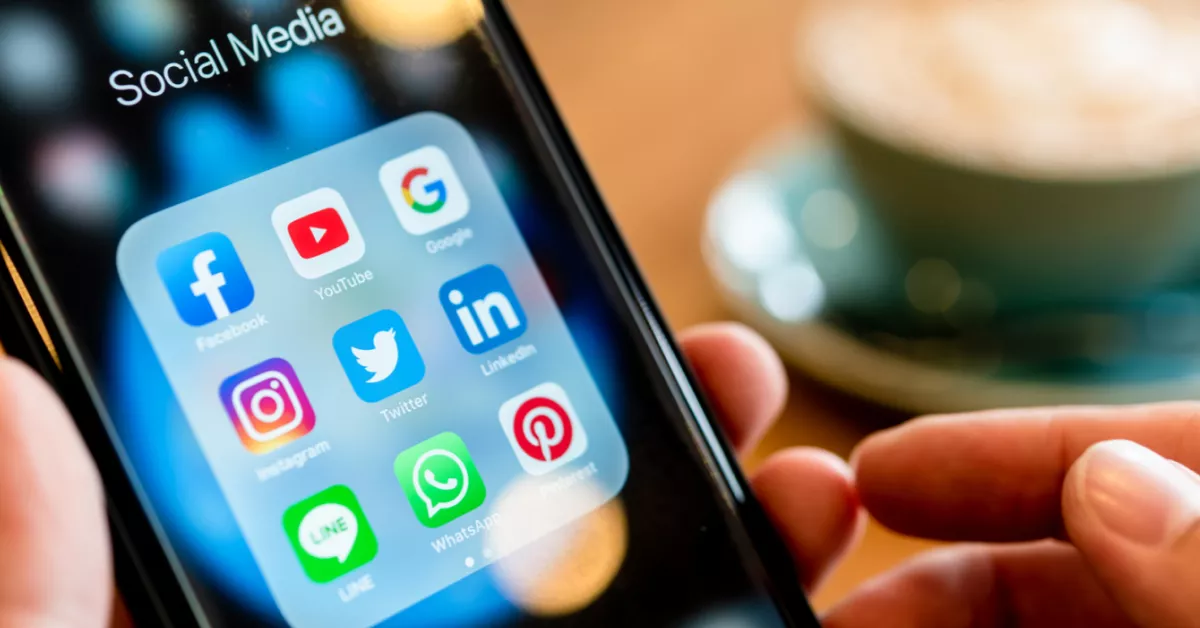
New media refers to a range of digital technologies that enable communication and information sharing. These include social media platforms, the internet and mobile devices. They provide a platform for citizens to share opinions, discuss issues and to network with each other.
Civic engagement is a term used to describe the involvement of citizens in the decisions that affect their lives. It encompasses a variety of activities, from participating in protests and voting to volunteering and advocating. New media has changed the way people engage with one another and their surroundings. It has encouraged new forms of civic engagement, such as social media campaigns, online petitions and digital advocacy.
The Potential Benefits of New Media and Civic Engagement
The digital revolution has seen an increase in access to information and the freedom to express opinions online. This has enabled citizens to work together in democratic and mobilizing processes, often leading to positive social changes. There are also multiple potential benefits to civic engagement facilitated by new media. These include:
-
Increased Participation: New media offers potential for greater access to political and social discussions for individuals who were previously excluded, such as those living in rural areas or those with disabilities or language barriers.
-
Connecting People: Social media allows for users to connect with people from all over the world, creating a platform for global dialogues and increasing transparency.
-
Empowerment: New media can empower individuals to influence their local and global representatives and to give voice to their opinions and beliefs.
-
Access to Resources: New media provides access to information, resources and tools which can be used to support civic engagement initiatives.
-
Reaching New Audiences: Social media offers a platform to reach wider audiences with campaigns and initiatives. It can be used to provide information, raise awareness and garner support.
The Drawbacks of New Media and Civic Engagement
Although new media and civic engagement have the potential to be positive and powerful tools, there are also potential drawbacks to consider. These include:
-
Digital Divide: Access to the internet and mobile devices is not evenly distributed, resulting in some citizens being excluded from online conversations.
-
Misinformation: Fake news, biased information, trolling and other forms of misinformation can spread quickly on social media, making it harder to separate fact from fiction.
-
Data Privacy: Digital technology can also pose a threat to individual data privacy, as citizens are providing large amounts of data to commercial organizations which can be used for targeted advertising and other practices that infringe on individual rights.
-
Online Harassment: Due to its global reach, online harassment can spread more quickly than ever before, leading to safety issues for those who engage in civic dialogue.
-
Instability: Rapid changes in technology, such as algorithm changes, can lead to unstable results for engaging users, such as suspended accounts or blocked content.
New media provides powerful and innovative opportunities for citizens to engage in political and social discussions. It has the potential to increase civic engagement and to bring about positive and lasting change. However, it is important to recognize potential drawbacks related to digital technology, such as digital divide, misinformation, data privacy and online harassment.
It is crucial that organizations, governments and activists continuously seek ways to reduce the digital divide and address potential challenges. Only then can we fully unlock the potential of new media and civic engagement.