





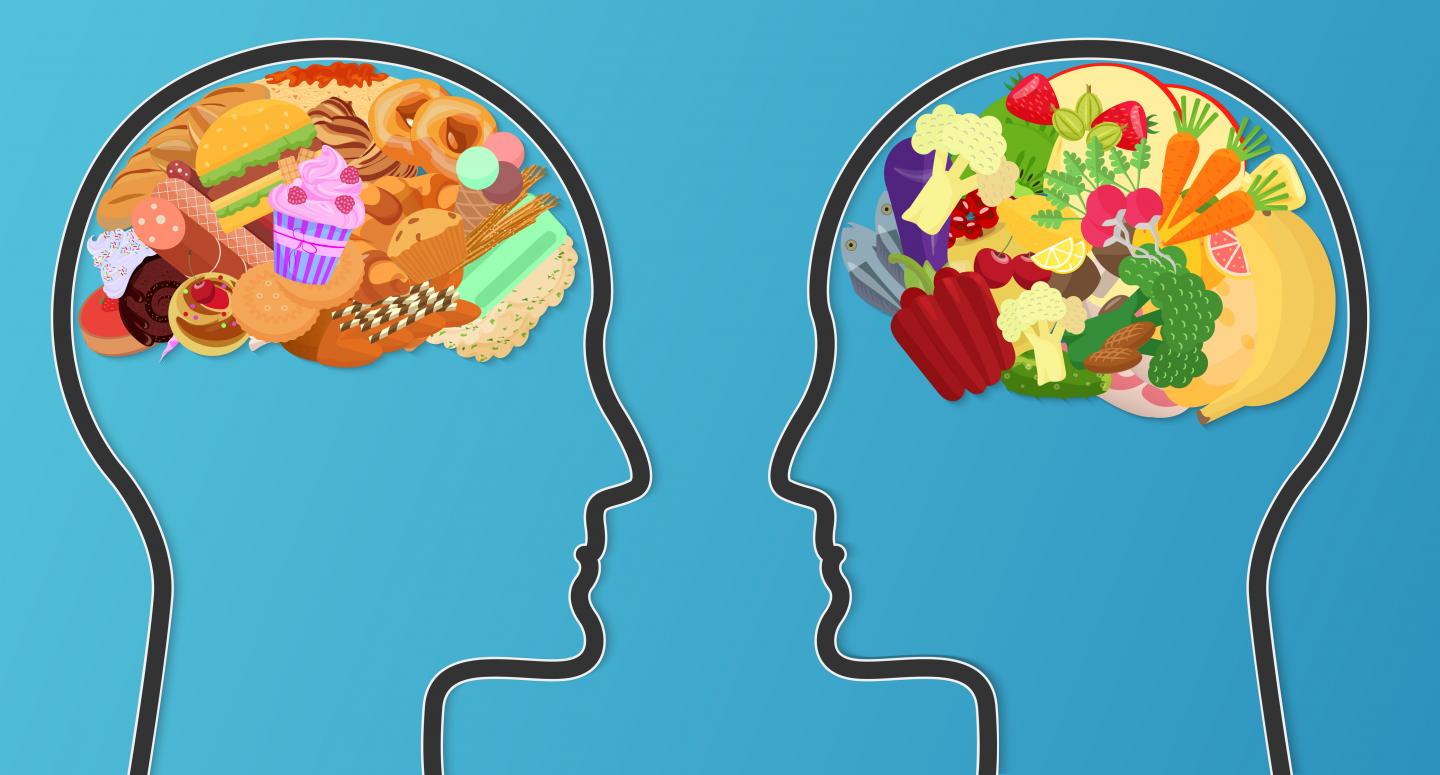
A healthy diet has long been recognized as a critical factor in promoting physical health. Recently, numerous studies have suggested that food choices can also impact one’s mental health. New research has just revealed a connection between diet and mental health disorders, including depression and anxiety. Here, we’ll look at the link between diet and mood, the research findings, and offer some tips for improving your mental health through dietary changes.
The Connection Between Diet and Mood
Americans eat a lot of processed foods. In fact, data from the Centers for Disease Control and Prevention (CDC) shows that nearly 50% of adults consume fast food every single day. And these types of food contain a lot of added sugars, unhealthy fats, and artificial additives. This kind of diet, the so-called “standard Western diet”, has long been linked to mental health disorders.
Moreover, many studies have shown that dietary quality is connected to mental wellbeing. In some cases, deficiencies in healthy dietary components — such as micronutrients — can negatively impact mental health. Other times, eating unhealthy food may lead to changes in some neurotransmitters or hormones that can impair mood.
New Study Reveals Connection Between Diet and Mental Health Disorders
Recently, a study published in the American Journal of Clinical Nutrition revealed a strong link between diet and mental health disorders. The authors looked at survey responses from over 30,000 British adults related to their dietary habits. Examining responses related to cravings for sweets, frequent snacking, portion control, and food allergies, the authors concluded that there was a clear connection between diet and mental health.
For example, those who reported frequent food cravings were also more likely to suffer from higher levels of mental distress. Additionally, those who reported frequent snacking and difficulty with portion control showed higher rates of anxiety and depression.
The Nutrients Linked to Mental Wellbeing
Beyond dietary quality, the study also revealed some specific nutrients that might help protect against mental health disorders. Key micronutrients like magnesium, zinc, omega-3 fatty acids and vitamin D were all associated with decreased levels of mental health disorders.
Magnesium
Magnesium plays a role in helping regulate levels of serotonin, an important neurotransmitter in the brain. Low serotonin is associated with depression and feelings of loneliness and fatigue. Eating foods that are high in magnesium can help boost serotonin and improve mood.
High-Magnesium Foods:
· Pumpkin seeds
· Spinach
· Almonds
· Peanut butter
· Brown rice
· Soybeans
· Avocados
· Bananas
· Dark Chocolate
Zinc
Zinc has many important roles in the body, and low levels may be linked to depression, fatigue, and mood swings. Consuming foods that are rich in zinc can help boost mood and improve mental wellbeing.
High-Zinc Foods:
· Oysters
· Crab meat
· Pumpkin seeds
· Spinach
· Cashews
· Mushrooms
· Yogurt
· Chickpeas
· Beef
Omega-3s
Omega-3 fatty acids are essential to a healthy diet, yet many Americans don’t get enough of them. Studies have shown that omega-3s play an important role in mood regulation and may help reduce symptoms of depression and anxiety.
High-Omega-3 Foods:
· Salmon
· Mackerel
· Walnuts
· Chia seeds
· Flaxseeds
· Herring
· Oysters
· Tuna
· Soybeans
Vitamin D
Vitamin D helps regulate serotonin in the brain, and low levels of this essential vitamin have been linked to mood disorders like depression and anxiety. Getting enough vitamin D may help protect against mental health issues.
High-Vitamin D Foods:
· Salmon
· Tuna
· Egg yolks
· Beef liver
· Milk
· Mushrooms
· Cheese
· Fortified cereals
· Fortified yogurt
Tips for Improving Mental Health Through Diet
Given the strong link between diet and mental health disorders, here are some tips for improving your mental wellbeing through dietary changes:
· Eat more nutrient-dense foods such as fruits, vegetables, lean proteins, whole grains, and healthy fats.
· Cut back on processed, high-calorie, low-nutrition foods like chips and candy.
· Choose healthy snacks between meals like nuts, seeds, and fruits.
· Eat at least three meals per day and avoid skipping meals.
· Aim for nutrient balance in each meal by including healthy proteins, carbohydrates, and fats.
Mental wellbeing is a critical part of overall health, yet many of us don’t pay enough attention to the contribution our diets can make. The recently published study has revealed a strong connection between diet and mental health disorders such as depression and anxiety. Aiming for a balanced dietary pattern, along with getting enough of key micronutrients like magnesium, zinc, omega-3 fatty acids, and vitamin D can all help protect against mental health challenges.


