





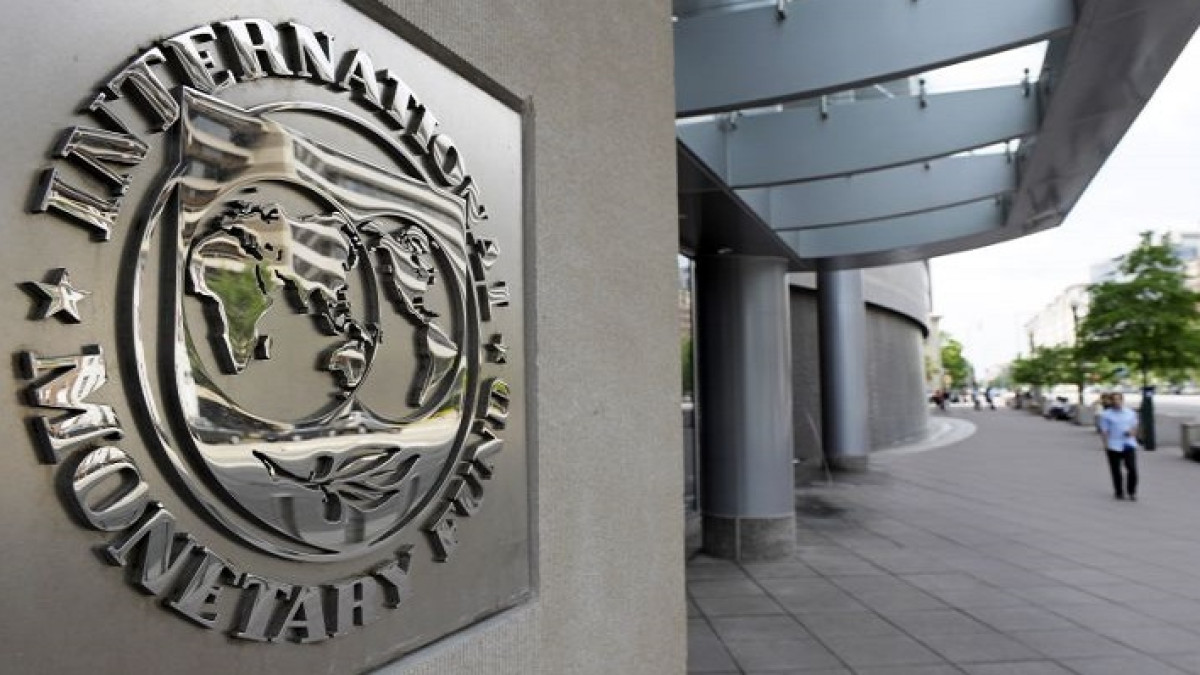
Pakistan, a developing country, recently reached an agreement with the International Monetary Fund (IMF) to receive a bailout of $6 billion. The government of Pakistan, which is currently facing an economic crisis, is relying on this bailout to survive. The country hopes to revive its economy through this bailout, which will provide resources to help stimulate growth, alleviate poverty, and improve its balance of payments.
What is an IMF Bailout?
The IMF bailout is a form of financial assistance extended to countries experiencing economic crisis. This assistance is aimed at helping the country manage its currency, balance of payments and public finances. In exchange for these funds, the country typically agrees to follow IMF policies, such as reducing the budget deficit, increasing tax revenues, and ensuring that the central bank maintains an adequate level of foreign reserves.
Why Does Pakistan Need an IMF Bailout?
Pakistan’s economy has been facing numerous challenges over the past few years, including a widening fiscal deficit, weakening growth, high inflation, and increasing poverty levels. The situation has become so dire that it is necessary for the Pakistani government to turn to the IMF for assistance in order to address their economic issues.
Why is the IMF Bailout Important to Pakistan?
The IMF bailout is essential for the survival of Pakistan’s economy. The funds will help Pakistan address several pressing issues. First, it will help the government stimulate growth and create jobs in the country. In addition, it will help reduce the country’s fiscal gap and provide much-needed liquidity. The funds will also be used to reform the country’s financial system, reduce its debt burden, and improve its balance of payments.
How is the IMF Bailout Expected to Help Pakistan?
The bailout funds will enable Pakistan to begin the process of economic revival. By providing the necessary resources, the funds will be instrumental in stimulating economic growth and creating jobs. The funds will also help reduce the country’s fiscal deficit and improve the balance of payments. In addition, the funds will help the government pursue financial sector reforms, which will lead to a more stable and vibrant economy.
What are the Strict IMF Loan Conditions?
An IMF bailout comes with strict loan conditions. The government of Pakistan must agree to adhere to the IMF’s demands, including reducing its fiscal deficit, increasing its revenues, and undertaking significant structural reforms. In return, the IMF has promised to support Pakistan’s development plan and provide the necessary technical assistance.
The Impact of the IMF Bailout on Pakistan’s Economy
The IMF bailout is expected to bring several positive changes in Pakistan’s economy. The funds will help stimulate growth, improve its balance of payments, and reduce poverty. In addition, the government’s efforts to implement the accompanying structural reforms are expected to lead to the modernization of the financial system and improved public finance management. Furthermore, the bailout funds will help ensure that Pakistan maintains a stable currency and an adequate level of foreign reserves.
Pakistan is faced with a significant economic crisis and the IMF bailout is essential for the self-sustained development of the country. The funds will help stimulate growth, reduce the fiscal deficit, improve the balance of payments, and reduce poverty. Additionally, the accompanying structural reforms will help the government modernize its financial system and improve public finance management. The bailout funds will help Pakistan obtain the necessary resources to address its pressing economic issues and begin its journey to economic revival.


