




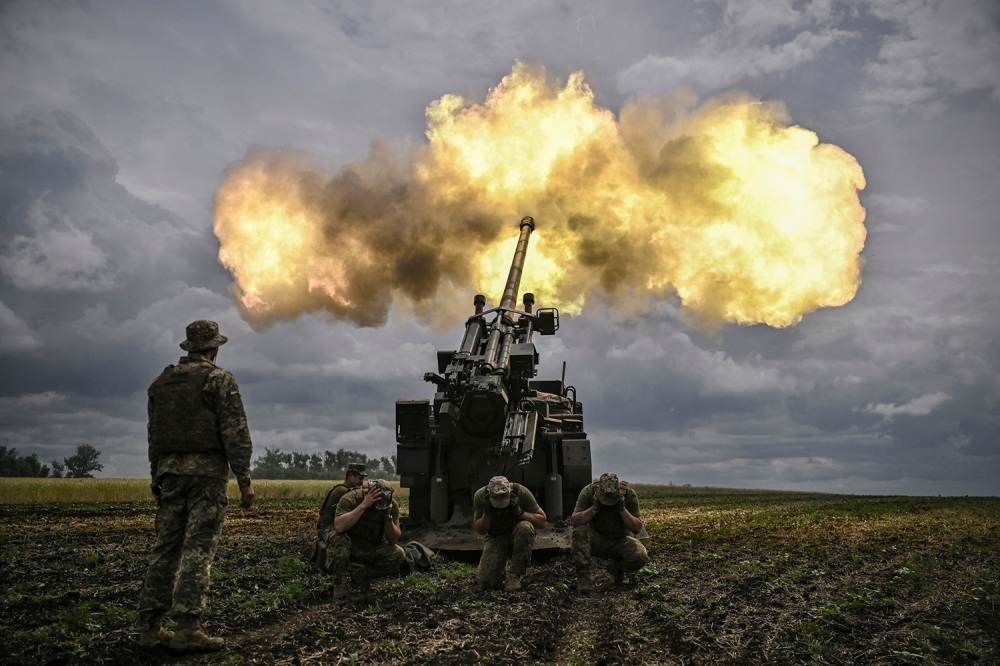
At its heart, the causes of armed conflict are complicated and unique to each case. When one takes a more expansive view of armed conflict, a more complete narrative emerges that reveals how political, economic, and social power struggles often drive leaderships in dangerous directions. Power struggles, interests, and motivations are the main forces behind armed conflicts, and understanding their complex intersections can offer insights into how to reduce or prevent warfare.
What Causes Armed Conflicts
Armed conflicts can have many causes, both short-term and long-term. The most common causes are disputes over power between two or more opposing sides. Some conflicts are directly motivated by a desire for expansion of territory or military gain. In other cases, communal violence is fueled by natural language, religious, ethnic, or political divisions. In some cases, two (or more) nations may enter into an armed conflict over ideological differences. In many cases, armed conflict is multifactorial in nature; the forces behind a particular war or conflict are often complex and intertwined.
The Power Struggle
Power struggles have long been a major impetus for armed conflict. Government leaders sometimes engage in violent struggle over ideas or interests that challenge their power. This can escalate into military action. In some cases, governments can also use violence against their own citizens to maintain control.
Interest-Based War
Armed conflict can also be based on economic interests or strategic advantages. Nations may launch a war when they believe that the costs of battle outweigh the consequences. The goal might be to gain control of a valuable resource, such as land or oil, or to gain an advantage over their rivals.
Motivations for War
Conflict can also be driven by a desire for revenge or to fulfill ideological goals. This can take the form of violence against one’s own citizens or attacks against an external enemy. It is not uncommon for war to be driven by a desire for revenge for a perceived insult, injustice, or injury. Ideological motivations are also common and can range from nationalism to supremacy of certain beliefs.
How to Prevent Armed Conflict
Preventing armed conflict is no easy task. It requires thoughtful and nuanced approaches to dealing with conflicts before they escalate out of control. The first step is to understand the dynamics of power struggles, economic interests, and ideological motivations that drive armed conflicts.
Understanding Conflict Dynamics
In order to resolve an armed conflict, all parties must agree on the underlying motivations and interests at stake. This understanding of the conflict dynamic is critical if meaningful progress is to be made. Negotiations that seek to resolve disputes must incorporate an understanding of the various motivations and interests of the warring parties.
Uncovering Hidden Interests
In many cases, there are economic or strategic interests that are not immediately obvious. The hidden interests are often the most powerful and can be the most difficult to negotiate. Developing a deep understanding of the interests that drive a conflict can be essential for constructing sustainable solutions.
Creating Incentives for Peace
Creating incentives for peace through economic and social investment can be a powerful tool for reducing the likelihood of armed conflict. Governments can invest in development projects, provide for basic services, and promote a positive vision for the future of the region. This can create an environment in which people are both secure and satisfied, which can reduce the likelihood of violence.
Reducing Illicit Weapon Trafficking
Illicit arms trafficking is a major contributing factor to the spread of war. To reduce the spread of weapons, governments must take steps to monitor, regulate, and mitigate the global arms trade. Governments can also work together to strengthen the international norms against arms-trafficking.
The causes of armed conflict are complex and multifaceted. Power struggles, economic interests, and ideological motivations are the primary drivers of armed conflict. To reduce the risk of armed conflict, it is essential to understand and address the underlying dynamics of war. This requires deep understanding of the interests at stake, creating incentives for peace, and reducing the spread of illicit weapons.