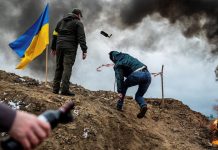





War has been a part of human history since the dawn of civilization. It has caused untold suffering and disruption in societies around the globe. While the terms of each war may have varied, the effects of war remain a constant theme. This article will examine the impact of war on society by outlining the historical and contemporary perspectives.
Historical Perspective
The first recorded war dates back to 2700 BCE, when the Sumerian city-states of Lagash and Umma went to battle over disputed borders. Since then, wars have shaped the course of human history, with the effects rippling through societies in various ways.
Social & Economic Consequences
The most direct consequence of war is death and displacement. In addition, war can also cause social and economic disruption on a large-scale level. During World War II, for example, millions of individuals were displaced and economies in Europe, North Africa, and Asia were destroyed.
Political Changes
Wars often result in political changes and can eventually lead to the emergence of new countries or governments. The end of the Vietnam War is a notable example of this, with North and South Vietnam unifying under one government in 1975.
Cultural Shifts
The cultural effects of war are more subtle, but no less pervasive. Wars can introduce new ideas, customs, and cultures to a society, which can have a lasting impact. The cultural changes brought about by the Crusades in ancient Europe are an example of this, with the East and West clashing in a fashion that had never been seen before.
Psychological Changes
While the psychological effects of war are often overlooked, they can be some of the most profound. War has a profound impact on the mental health of veterans, their families, and even civilians who have been affected by the conflict. It can lead to increased rates of depression, anxiety, substance abuse, and other mental health issues.
Contemporary Perspective
The impact of war on society continues to this day. While the scope of war has changed due to advancements in technology and increases in global interconnectedness, its effects persist throughout the world.
Increased Interconnectedness
War today is more complex and global than ever before. With the increased interconnectedness of world economies, social networks, and cultures, the effects of war can ripple through multiple countries and communities.
Heightened Technology
The use of technology in warfare has intensified in recent years, leading to further disruption in the societies affected by conflict. Technologies such as unmanned drones and cyberattacks have made warfare more accessible and deadly than ever before.
Humanitarian Crises
The humanitarian consequences of war are often overlooked. With violence and displacement wreaking havoc on vulnerable populations, we are witnessing a tragic and unprecedented number of refugees fleeing conflict-ridden countries in search of a better life.
War has a far-reaching and devastating impact on society. While the scope of war has changed over time, its effects remain the same: death, displacement, psychological effects, economic disruption, and social and cultural shifts. Both historically and in the present day, war continues to have a profound impact on societies, and will likely remain a constant presence in human history.