



In today’s world, the power of image has become increasingly important in the realms of politics and the media. This is because what we see and visualise can quickly become a powerful tool of persuasion and the driving force of thought and action. As such, it is important to consider how image and visual communication is used to make an impact in these two arenas. In this article, we’ll look at the various elements that make up visual communication, why it is so important, and how it is used in politics and the media.
What is Visual Communication?
Visual communication is the art of conveying a message or idea through visual elements such as images, symbols, and colours. It is one of the most powerful forms of communication, as images and visuals evoke emotions, provoke debates, inform decisions, and influence opinions. Through visual communication, a message can be transmitted quickly and easily, even across large distances and to large audiences.
The Benefits of Visual Communication
There are many benefits to using visual communication. For one, visual communication is more effective at getting a message across and convincing an audience than words alone. In fact, visuals are believed to be up to ten times easier to understand than words. Visual communication can also help to make complex concepts easier to understand and can help to engage and maintain the attention of an audience more effectively than words.
Visual communication is also more memorable. People are more likely to remember visuals than words, and they will remember the message or idea better if it’s presented using visuals. Finally, visual communication can help to make a message more persuasive and powerful, and can be used to build a strong emotional connection with an audience.
Politics and Visual Communication
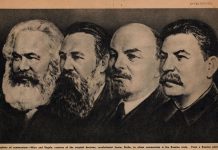
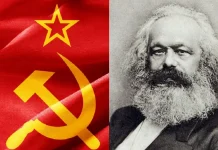
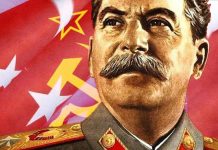
Visual communication has been used in politics for centuries, though in recent years its usage has become even more prevalent. Visual communication is used in a variety of ways in politics, from designing logos and symbols to use on banners and posters to producing short videos for social media.
Politicians use visuals to create an appealing or sympathetic image of themselves, as well as to communicate their messages to the public. Visuals can be used to transmit complex ideas quickly, evoke emotions, and create a connection with an audience. They can also be used to instill trust, create a memorable image, and present a political leader as an authority figure.
All of this is crucial in politics, as it can make the difference between being elected or rejected, as well as whether or not a message is properly understood by the public. Moreover, visual communication can be used to target specific audiences and messages can be tailored according to the needs of a particular election.
Visual Communication in the Media
Visual communication is also very important in the media. It is used in advertising, magazines, newspapers, websites, design marketing materials, television programmes, and films. It is used to reach a broad audience and to ensure that a message is transmitted quickly, easily, and effectively.
Visual communication is used to evoke emotion and to create a connection with an audience. It is also used for storytelling and to manage the public perception of a brand. In addition, it can be used to influence opinions and behaviours, as well as to provide clear and concise information quickly to a wide range of viewers.
Image and visual communication play an important role in politics and the media, as they are powerful tools for persuasion, engagement, and memory. Visuals can quickly and effectively communicate complex ideas and evoke emotions, as well as create an image and reputation. Visuals can also be used to target specific audiences and tailor messages accordingly. As such, the power of image and visual communication should not be underestimated in politics and the media.