




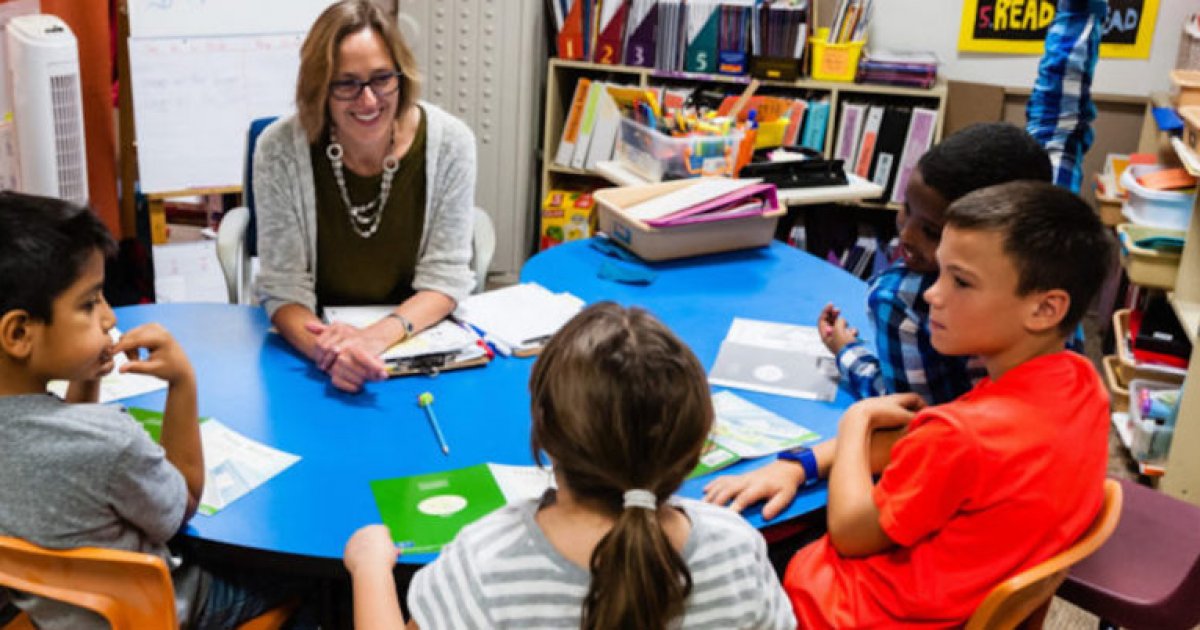
Teachers are arguably the most important component in the American educational system. They spend the majority of their time focusing on individual students, imparting their knowledge, skills, and understanding of the world, and helping them grow intellectually and emotionally. The role of teachers in the US has been critical, not only for the academic performance of students, but in increasing stability of our overall educational system.
Today, the role of teachers has grown even more critical in the face of an increased global demand for a well-educated population, as well as more extensive awareness of its benefits for society. From helping build a foundation for future generations of professionals, to increasing long-term economic growth, American teachers are vital in maintaining and improving the quality of US education.
What Teachers Do
In the US educational system, teachers take on a range of roles, including the following:
Instructors: Teachers are the primary source of instruction to students, providing them with information they need to know, helping guide students to develop a better way of thinking, and teaching them how to learn independently.
Guides: Teachers help students understand their individual learning styles, values, interests, and talents that allow them to excel in their unique educational journey.
Mentors: Teachers serve as mentors, providing guidance and support to foster their students’ academic and social growth.
Managers: Teachers work with administrators to set the curriculum, assign workloads and assignments, and manage time to ensure that students have access to the materials and tools needed to complete tasks.
Responsibility of Teachers
While teachers play a vital role in the American education system, it is also important for them to understand and carry out the responsibilities that come with their position. These responsibilities include:
Fostering Academic Goals: Teachers must have up-to-date knowledge of their syllabus, and must ensure students are instructed properly in the subject they were hired to teach.
Creating Learning Environments: Teachers are responsible for creating safe and positive learning environments in their classroom, where students can thrive.
Additionally, they must be mindful of the cultural and social dynamics of their student’s lives, and make sure to foster positive interactions, in order to guarantee a positive educational experience.
Fostering Social Development: In addition to helping students reach their academic goals, teachers must also take into consideration the students’ individual social and emotional development. This includes teaching students valuable life skills, such as developing empathy and understanding of diversity, as well as communication and problem-solving skills.
Managing Resources: Teachers must take the initiative to manage resources, including available funding, facilities, and personnel. Additionally, they should keep their classroom orderly and efficient, in order to provide a good learning experience for their students.
Promote Home engagement: It is the teachers’ responsibility to implement strategies that help parents stay involved in their children’s educational journey, such as open communication, setting up parent-teacher meetings, and parents-teacher nights.
Educational Reforms
Teachers are involved, both directly and indirectly, in the ongoing process of educational reform. Through their actions and initiatives, teachers can have a direct influence on educational policy, curricula, and instructional strategies at the local, state, and federal levels.
School-Based Reforms: Teachers are now more focused on providing personalized instruction to their students, and the implementation of STEM-focused curriculum in classrooms. Additionally, many teachers are now incorporating various teaching strategies into the classroom, such as inquiry-based learning, project-based learning, student-directed instruction and collaborative learning.
State-Based Educational Reforms: Teacher involvement can also be seen in some state-led educational reforms. For example, some states have recently implemented high-stakes tests, that help to measure student performance and gauge institutional education, as well as implemented policies that support access and equity in physical, financial, and educational resources.
Federal Reforms: Teachers can also directly influence the development of federal educational reform efforts. For example, the Every Student Succeeds Act, passed in 2015, was a federal law that served to increase teacher autonomy and to give teachers the ability to advocate for their students, as well as to hold schools and administrators accountable for student performance and equitable education.
The Need for Teachers
The need for teachers in the US educational system is greater than ever before, for the following reasons:
Technology is on the Rise: With the emergence of technology, many of the traditional barriers of learning are quickly disappearing. Schools must embrace change and find ways to efficiently use technology to increase student engagement and better their performances. For this reason, schools are now more dependent on teachers in order to develop and implement technological strategies in the classroom.
A Global Education System: As we enter a globalized economy, countries around the world are vying for a better-educated citizenry, in order to remain competitive in the international marketplace. US schools must also keep up with this standard. Teachers must provide students with the necessary skills and knowledge needed in a modern world, in order to draw on new ideas and technologies to help students prepare for the future.
Closing the Achievement Gap: In the US, students of color are still facing significant gaps in educational opportunities. It is up to teachers to ensure students have access to quality instruction in the classroom, as well as address any underlying obstacles that may be impeding their access to additional resources, such as language barriers or poverty.
Ultimately, it is evident that teachers play an incredibly important role in the US education system. From providing personalized instruction and managing resources, to ensuring students can reach their goals and fostering social development, teachers are more than far more than just instructors. They are also responsible for advocating for educational reform, embracing technological advances, and helping to close educational gaps. In short, American teachers are the cornerstone of our educational infrastructure, and their role is integral in ensuring the highest-quality education for our future generations.