



The international community is increasingly making efforts to protect the innocent civilians who bear the burden of armed conflicts. International Humanitarian Law (IHL) aims to protect those who are not involved in the conflict and to limit the use of force and weapons by parties involved in the conflict. Unfortunately, despite the existence of IHL, armed conflicts continue to result in numerous violations of the international rules.
What Is International Humanitarian Law?
International Humanitarian Law (IHL), also referred to as the Law of War, is a set of principles that regulate military activity during wartime. Contained in at least 17 treaties, IHL is composed of international customs, treaties, judicial cases, and state treaties.
It seeks to balance the interests of victims and warriors, emphasizing the need to protect civilians and prisoners of war, promote peaceful settlement of conflicts, and limit methods and means of warfare. It applies to any armed conflict both in times of war or peace.
What Are the Principles and Objectives of International Humanitarian Law?
The main objectives of IHL are to limit suffering and protect those who are not directly participating in the war, such as civilians, members of armed forces who are wounded and prisoners of war.
The principles of international humanitarian law include:
• The principle of humane treatment, which stipulates that all combatants, prisoners and civilians must be treated humanely and be protected against violence, injury and other forms of abuse.
• The principle of proportionality, which requires that damage to civilian property and civilian casualties should not be disproportionate to the military necessity achieved.
• The principle of distinction, which obligates parties to the conflict to distinguish between troops and civilians, between civilian objects and military facilities.
• The principle of honor, which requires that prisoners of war ought to be treated with dignity and respect.
What Are the Common Violations of International Humanitarian Law?
The violation of International Humanitarian Law in armed conflicts is a widespread phenomenon in the world today. Common violations of IHL include:
• The use of prohibited weapons, such as chemical and biological weapons, as well as land mines and cluster bombs.
• The use of force in violation of the principle of proportionality.
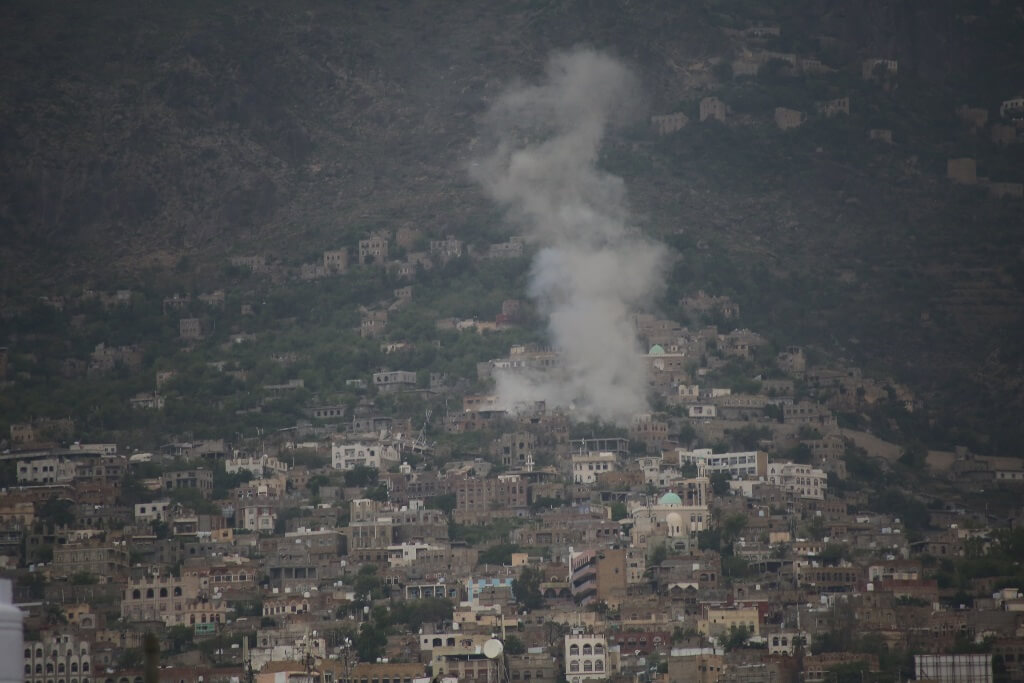
• The intentional targeting of civilians or civilian objects.
• The taking of hostages and the use of violence or threats of violence to secure other objectives.
• The killing of wounded or surrendered combatants.
• The use of rape and sexual violence as a weapon of war.
• The use of child soldiers.
• The mistreatment of prisoners of war, including torture.
• The taking of hostages or the hostage-holding of individuals.
• The looting and destruction of property.
How to Address Violations of International Humanitarian Law?
The international community has taken several steps to ensure that violations of the international humanitarian law are addressed effectively. These steps include:
• Establishing International Criminal Tribunals to punish perpetrators of war crimes and violations of IHL.
• Ratifying and implementing the Geneva Conventions, which provide alleviation to victims of armed conflict.
• Strengthening international human rights law to protect civilians from violations of IHL.
• Strengthening international law by granting special powers to the UN Community to investigate and prosecute perpetrators of violations.
• Introducing deterrence through the creation of special intelligence units to monitor compliance with IHL.
• Establishing a Responsibility to Protect (R2P) doctrine, a norm of international law that holds states responsible for protecting populations affected by armed conflicts.
• Promoting restorative justice, which seeks to repair the damage done to individuals and communities affected by conflict and violations of IHL.
• Establishing conflict resolution mechanisms such as Truth and Reconciliation Commissions to document testimonies and facilitate reparations.
The purpose of International Humanitarian Law is to protect vulnerable civilians from suffering during armed conflicts. Unfortunately, even with the existence of these laws, there are still instances of violations in which the rights of these civilians are being violated. The international community is working to address these violations through the strengthening of international law, the establishment of conflict resolution mechanisms, and by encouraging states to take responsibility to protect those suffering from conflicts. By doing so, the international community can help protect civilians from harm and reduce suffering resulting from armed conflicts.