




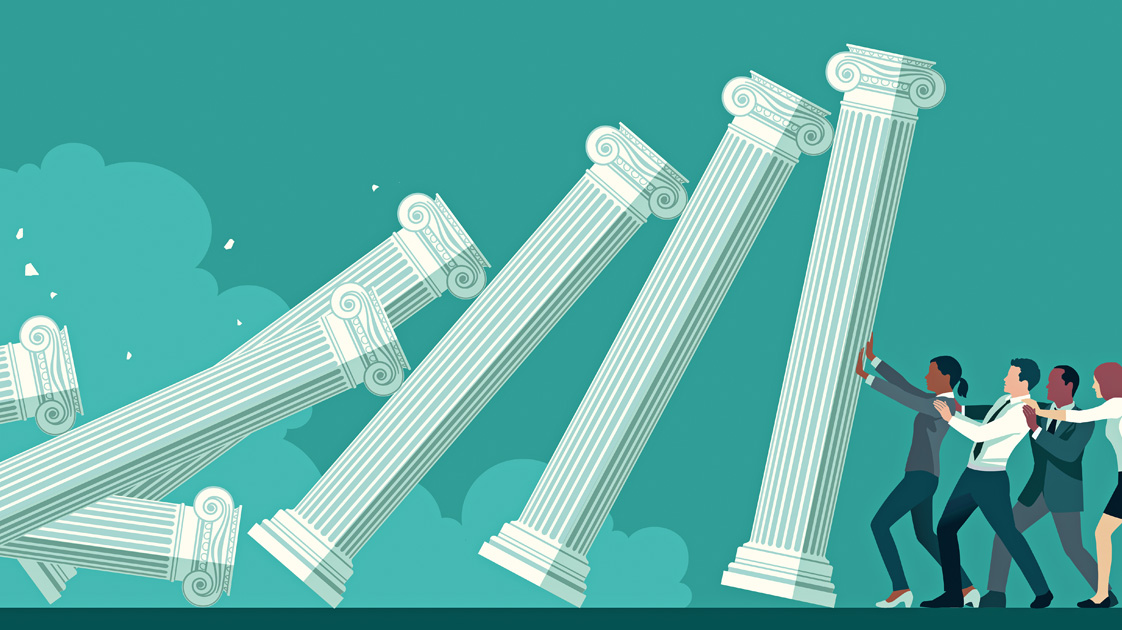
Democracy is a form of government in which the supreme power is vested in the people and exercised by them directly or indirectly through a system of representation & typically involving periodic free elections. It is a political system which gives citizens the power to choose their representatives and ultimately make the laws which govern their country. Democracy is a powerful and versatile form of government that has been adopted in many different countries around the world.
What is Democracy?
Democracy is a form of government in which the supreme power is vested in the people and exercised by them directly or indirectly through a system of representation & typically involving periodic free elections. Democracy is based on the idea that people should be free to share their views and have an equal say in matters that affect them. This concept of shared decision-making and majority rule is at the heart of democracy.
Features of Democracy
There are a few key features which form the basis of democracy:
-
Majority Rule: This is the main feature of democracy wherein the majority opinion reflects the state of the country.
-
Respect for Minority Rights: While majority rule is paramount, the rights of minorities must also be respected and protected in democracies.
-
Individual Freedom: Individuals have the right to make their own decisions, express their opinions and practice their beliefs.
-
Rule of Law: Democracies rely on rule of law to maintain order and protect citizens from arbitrary use of power.
-
Fair Elections: Democracies rely on fair and free elections to express the will of the people and install representatives in positions of power.
Advantages of Democracy
The advantages of democracy are numerous, some of which are outlined below:
-
Equality and Participation: As citizens have the right to vote, democracy ensures political equality and allows citizens to participate in the decision-making process and influence the outcome of policy decisions.
-
Human Rights Protection: Democracies prioritize the protection of human rights and civil liberties, such as freedom of speech, assembly and religion.
-
More Freedom: Democracies provide citizens with greater freedom which they may not always find in other forms of government.
-
Improved Governance: Democracies tend to be more efficient and accountable in their governance, as citizens have the right to remove rulers who violate the law or fail to deliver results.
-
Greater Economic Development: Democracies tend to have greater economic development, as markets are open and merit is rewarded.
Disadvantages of Democracy
Despite the many benefits of democratic governance, there are also certain disadvantages which must be taken into consideration:
-
Slow Decision Making: Decision-making can be slow in democracies due to consultation processes needed to incorporate the views of many citizens.
-
Unstable Governments: Democracies tend to produce unstable governments because of the public’s tendency to demand rapid changes in policies which cannot always be implemented quickly.
-
Potential Disagreement: The potential for disagreement among people will always exist in a democracy, as different individuals and groups are likely to disagree over policy decisions.
-
Unpredictability: Democratic governments can be unpredictable as citizens’ opinions and preferences can change rapidly, resulting in frequent changes in policy or government.
-
Costly Governance: Democracies tend to be more expensive than other forms of government, as a lot of money is usually spent on free and fair elections.
It is clear that there are pros and cons to democracy and that no one form of government is perfect. However, democracy is a powerful and versatile form of governance that has been adopted by many countries around the world, as it has seen to offer freedom, equality, and improved economic development. Ultimately, the main idea of democracy is that citizens are the ultimate authority in their government, and have the right to participate in decision-making and the formation of policy.