





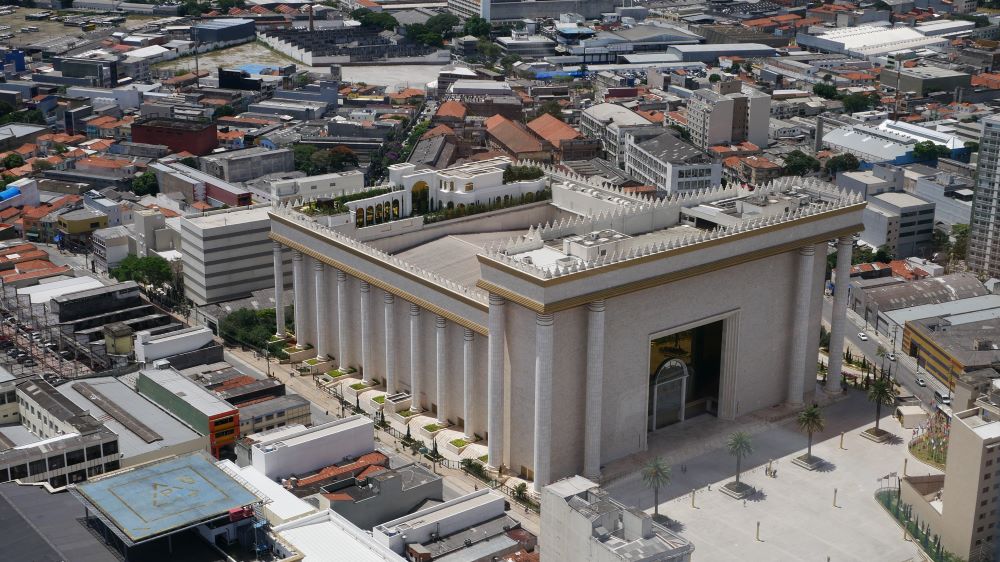
Latin America is a historically Catholic region known all over the world for its deep and spiritual religious practices, including those that take part in Catholic churches and services. However, the Catholic Church is losing Latin America. Many in countries like Mexico and Brazil have begun to question the teachings of the Church, and the Church’s influence has lessened because of independent cultural and spiritual practices, as well as influences from different faiths. This article will explore some of the reasons why the Catholic Church is losing Latin America and why they may never regain the same level of influence they had previously held over the Latin American populace.
The Causes and Consequences of Falling Catholic Participation
The Catholic Church’s waning popularity in Latin America has been attributed to a number of factors. The most prominent are the following:
- Religious Dissent and Revisionist Interpretations of Church Doctrine
Throughout Latin America, the re-interpretation of Catholic Church doctrine and teachings have led to the rise of smaller alternative and independent denominations. Many of these alternative Churches derive their teachings from their own individual interpretation of the Bible and its respective spiritual authorities, while other sects such as the Pentecostals, Seventh Day Adventists and Jehovah’s Witnesses look to their own unique spiritual texts and traditions.
- Economic Differentiation
Latin America’s diminishing Catholic numbers have also been associated with an economic differentiation between the wealthy and impoverished. As the gap between the rich and poor widened, the Church became increasingly associated with class-based elitism and privilege amongst the general population. This, consequently, lead to a further fragmentation of Church participants and practices, as those from lower economic classes began to search for other forms of spiritual gathering and community.
- Globalization and Transnational Migration
The introduction of global influences and the rise of immigration in Latin America have been linked to the significant amount of displacement that has taken place in the region. Globalization and immigration opened up opportunities for experience and exploration within the spiritual realm and led to a realization that Catholicism was not the only religion available to Latin Americans.
- Rising Popularity of Protestant Christianity
During the 1800s and 1900s, immigration and missionary work within the Latin American region led to a powerful rise of Protestantism throughout the Latin American population. This rise has been attributed to the strong emphasis that Protestant denominations place on the study of the Bible, their use of digital media outreach, and their generally more relaxed approach to religious practice. An estimated 44 million people throughout the Latin American region identify with a Protestant denomination, compared to the majority 246 million who still identify with Catholicism.
- Government Persecution of the Catholic Church
In recent times, some Latin American governments have taken an anti-Church stance, resulting in decreased government support for the Catholic faith. In Mexico, for example, the ban on religious gatherings and churches has lead to a dramatic decrease in the number of people attending Church services, resulting in a decreasing amount of money donated to the Church. This lack of financial support from the public and from the government has only further weakened Catholic participation.
- The Catholic Church’s Emphasis On Ideology Over Service
In the past decade, Latin American citizens have questioned the Catholic Church’s ability to provide a more meaningful spiritual experience and of service, as well as an outdated emphasis on ideology and hierarchy. In many cases, the Church has been known to prioritize doctrine and explanation over acts of compassion and charity. This has resulted in a lack of connection and a perception of general insensitivity to those in need of spiritual guidance and healing.
The Impacts of a Weaker Catholic Church in Latin America
As the Catholic Church continues its decline in influence and participation in Latin America, a number of impacts have been felt throughout the region.
- Growing Levels of Religious and Cultural Pluralism
The decreased importance of the Catholic Church has led to a rise in religious and cultural pluralism in Latin America, with many Hispanics beginning to explore different spiritual traditions. This newfound plurality is likely to lead to further dialogue and coexistence between different faiths and the Catholic Church, resulting in the greater integration of Latin American culture and societies.
- A Decrease in Charitable Services
The Catholic Church has historically been one of the biggest providers of charitable works and services in Latin America, largely due to their vast financial support from their members and benefactors. As the Church fades in influence, benevolent works and activities carried out by Catholic organizations are likely to decrease as well.
- Weakening Social Cohesion
The Catholic Church has traditionally been a unifying force between Latin American societies and cultures, due in part to its strong historical roots in many of these nations and the presence of high numbers of church participants. Without these figures, the integration of Latin American societies could be adversely affected, leading to an increase in divisions and social unrest.
The Catholic Church is losing Latin America, and many expect that the Church will never regain the same level of devotion or influence it had enjoyed for centuries. This is due to economic differences, the rise of alternative denominations, global influences and immigration, and government persecution of the Church, as well as its own faltering practices. Ultimately, if the Catholic Church wants to remain relevant in Latin America, it must reevaluate its approach and teachings in order to meet with public expectations. By re-engaging with the people and adapting its practices to contemporary life and culture, the Church will be able to remain viable in the region for years to come.


