





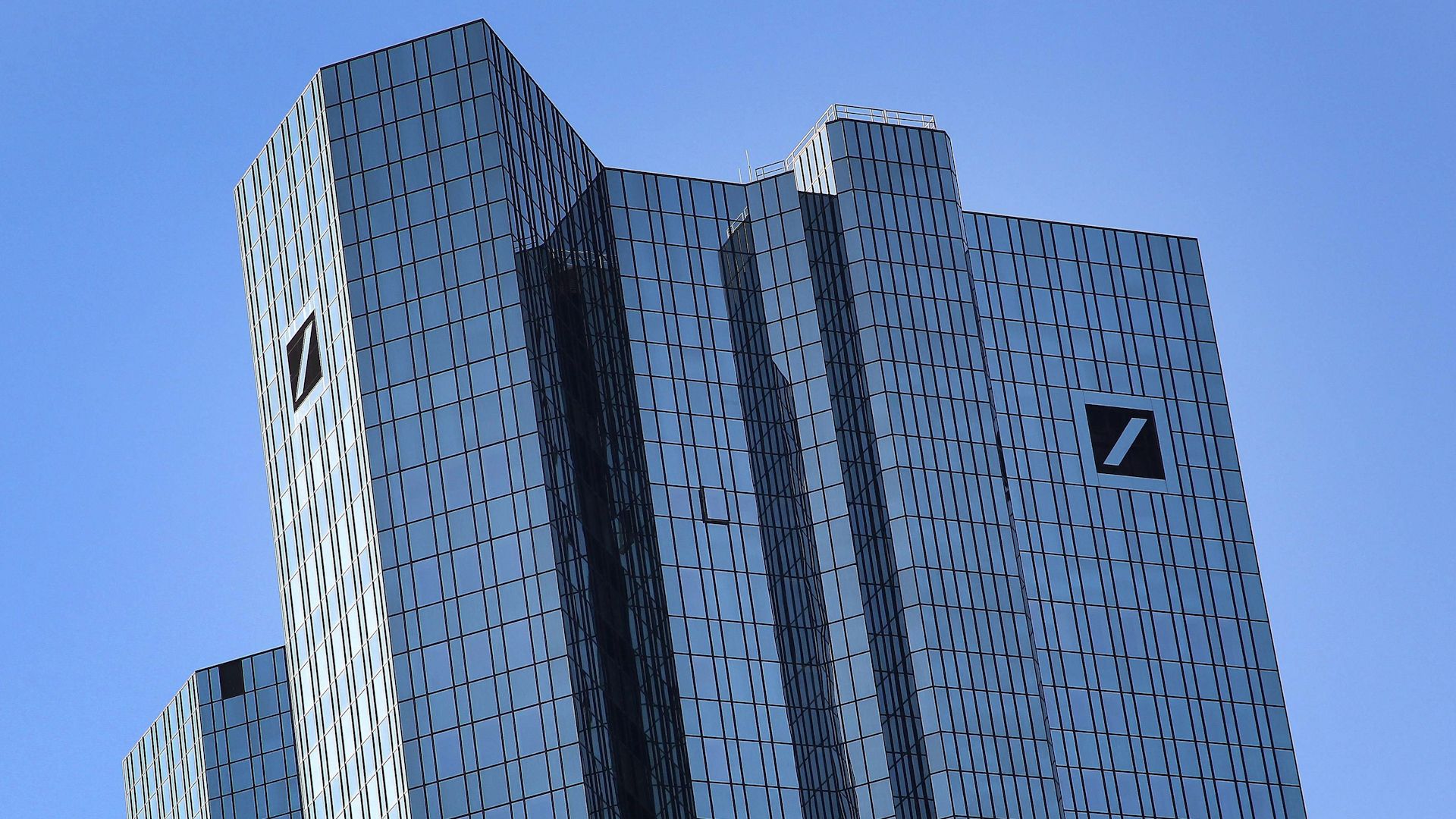
Deutsche Bank is Germany’s largest financial institution. It has been in existence for over 140 years and has a long history of stability and reliability. However, in recent months, the company’s stock has taken a turn for the worse, falling sharply on rising concerns among investors over contagion fears. This article will discuss the reasons behind Deutsche Bank Stock’s recent decline and the implications it may have for the bank’s future.
What Is Contagion Fear and How Does it Affect Deutsche Bank?
Contagion fear describes a situation in which investors become worried that any negative news or events associated with one financial institution could have a domino effect on other firms and even extend to the broader market. In the case of Deutsche Bank, such fears have been amplified by a series of negative news stories that have hit the European banking sector in recent months.
Back in April, news reports suggested that Deutsche Bank was under investigation by the U.S. Department of Justice for its role in an alleged Russian money-laundering scheme. And, in July, the bank announced that it had set aside billions of euros to cover potential future litigation costs. These events sent shock waves through the markets and sent Deutsche Bank’s share price tumbling.
The Impact on Deutsche Bank Stock
Since the start of 2017, Deutsche Bank’s stock has fallen by over 30% and is now trading at around €10.60 per share. The company’s market capitalization has also been hit hard, with its valuation dropping from €30.5 billion at the start of this year to just €13.8 billion as of August 21, 2017.
This sharp decline has been driven by contagion fears that have not only impacted Deutsche Bank’s stock but also caused investors to abandon other European banks. French banking giant Credit Agricole, for example, has seen its stock fall by more than 5% since the start of 2017.
The Effect on Europeans Banks as a Whole
The recent contagion fears surrounding Deutsche Bank have also had a broader impact on the European banking sector. The shares of all major European banks have been hit over the past few months and many of them are now trading at multi-year lows.
Additionally, the cost of default insurance for the banking sector, measured by the Markit iTraxx Europe bank index, has surged to an all-time high. This reflects the heightened level of risk that investors perceive in the sector.
Contagion fears have had a major impact on Deutsche Bank’s stock in recent months. The sharply lower share price and market capitalization reflect investors’ worries about the firm’s exposure to potential legal and regulatory risks. The contagion has also extended to other European banks, causing their stocks to fall and the cost of default insurance to skyrocket. It remains to be seen what impact the contagion will have on Deutsche Bank’s future performance but investors should be closely monitoring the stock given the significant risks that have emerged.


